Free Shipping For Orders Over $70.00

Dust Mites Australia: How to Stop the Invisible Roommate
Cover And Protect Homepage Waterproof Mattress Protector And Dust Mite Bed Bug Protector Packaging With Happy Family On White Bedding

Dust Mites Australia: Stop the Invisible Roommate Today

Dust mites thrive in Australia’s humid climate, feeding on dead skin cells trapped in mattresses and pillows. These microscopic pests trigger asthma, eczema, and hay fever. To stop them, you must use fully encased, zippered protectors that create an impenetrable barrier, starving existing mites and preventing new infestations.

Key Takeaways for Better Sleep

  • Climate Matters: Australian humidity is the primary driver for dust mite growth.

  • Encasing is Essential: Simple fitted sheets don’t block microscopic allergens.

  • Health Impact: Mites are a leading trigger for Aussie eczema and asthma sufferers.

  • Heat Kills: Washing bedding at 60°C is required to neutralise allergens.

Why Australia is a “Goldilocks Zone” for Dust Mites

In Australia, we love our coastal breeze and sun, but so do dust mites. These microscopic arachnids don’t drink water; they absorb moisture from the air.

The Humidity Factor Our coastal cities—from Brisbane down to Sydney and Melbourne—regularly hit humidity levels above 60%. This is the “sweet spot” where dust mites thrive and multiply at record speeds.

The Food Source An average person sheds enough skin cells every day to feed a million dust mites. Your mattress, Doona, and pillows act as a buffet, trapping these cells deep within the fibers where you can’t vacuum them out.

The Health Toll: More Than Just a Stuffy Nose

For many Aussies, “morning allergies” are actually a reaction to dust mite excrement (the Der p 1 protein). If you wake up feeling like you have a cold that disappears by midday, your bed is likely infested.

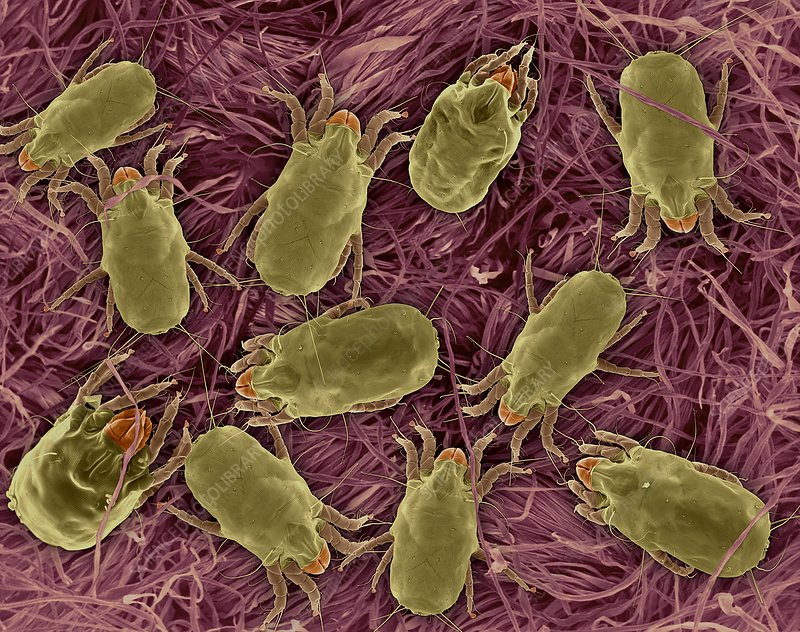
 Dust mites are microscopic scavengers that thrive in warm, humid environments like mattresses and carpets.

Dust Mites Under A Microscope
Dust mites under a microscope

They do not bite humans; instead, their waste products contain proteins that trigger allergic reactions, including asthma, eczema, and allergic rhinitis, particularly in the high-humidity regions of Australia.

Read article on the best bedding protectors for your family.

How to Reclaim Your Bedroom from Allergens

You can’t completely eliminate dust mites from the Australian environment, but you can turn your bed into a fortress.

The Power of the 360-Degree Encasement

Installing A Cover &Amp; Protect Dust Mite And Bed Bug Proof Waterproof Mattress Encasement
Demonstration of installing a Cover & Protect waterproof mattress encasement for dust mite and bed bug protection

Most people use a standard fitted mattress protector. While this helps with spills, it leaves the sides and bottom of your mattress open. Dust mites move freely through these gaps.

By using a fully encased mattress protector, you seal the entire mattress. This starves existing mites by cutting off their food supply and prevents new ones from nesting in the foam or springs.

Don’t Forget the “Pillow Fortress”

Your face is in direct contact with your pillow for eight hours a night.

Waterproof-Pillow-Protectors-Dust Mite-Bed -Bug Protection.
Allerzip Pillow Protectors dust mite and bed bug protection.

Pillows are notorious for doubling in weight over two years due to dust mite buildup. Using zippered allergy-proof pillow protectors is the single fastest way to reduce morning sinus congestion.

The 60-Degree Rule for Doonas and Linen

Dust mites are hardy. Cold water washes won’t kill them. To truly sanitise your bedding, you must wash your linens in water at least 60°C. For items that can’t be washed weekly, like your actual mattress, the only solution is a permanent barrier.

Frequently Asked Questions (FAQ)

How do I know if I have dust mites in my Australian home? If you experience itchy eyes, sneezing, or skin redness specifically while in bed or upon waking, you likely have a high concentration of dust mites. In Australia’s humid climates, almost every home has them unless preventative measures are taken.

Can I just vacuum my mattress to get rid of them? Standard household vacuums often lack the suction power or HEPA filtration to remove mites and their microscopic waste. While a specialized tool like the VACUMI helps, a physical barrier (encasement) is the only way to ensure 100% protection.

Are Cover & Protect encasements hot to sleep on? No. Unlike old-school plastic covers, our modern protectors use breathable membranes. They allow air to circulate—essential for those hot Queensland or Perth nights—while remaining too small for a dust mite to pass through.

How often should I wash my mattress encasement? Since your sheets sit on top of the encasement, you only need to wash the encasement itself every 6 to 12 months, or if a spill occurs. This makes it a low-maintenance solution for long-term health.

Take Control of Your Sleep Health

Don’t share your bed with millions of invisible roommates. Protecting your family from asthma and eczema triggers starts with a sealed environment.

Invest in a “set and forget” solution. Browse our range of Australian-designed protectors today and breathe easier by tomorrow.

[Shop the Mattress Encasement Range Here]

Final Recommendation 

Your bed should support your health—not compromise it.

Without protection, your mattress becomes a breeding ground for allergens, bacteria and moisture.

The solution is simple and effective.

By using high-quality waterproof mattress and pillow protection, you can:

  • Sleep cleaner
  • Breathe easier
  • Protect your investment

👉 Upgrade your sleep today with Cover & Protect’s premium bedding protection range.

Contact Us Today

Do you have questions about our products? We’re here to help! Whether you need guidance on the best protector for your needs or have inquiries about our offerings, our friendly team is happy to assist.

Please CLICK LINK to visit our Cover and Protect website for a full range of bedding protection products

📞 Call us02 931 66654 (Mon-Fri) | 0408 113 089 (7 Days)
📩 Email us: sales@coverandprotect.com.au

At Cover & Protect, we’re more than just a bedding protection supplier—we’re your trusted partner in creating a safer, healthier, and more comfortable sleep environment. Shop our range today and experience the best in bedding protection!

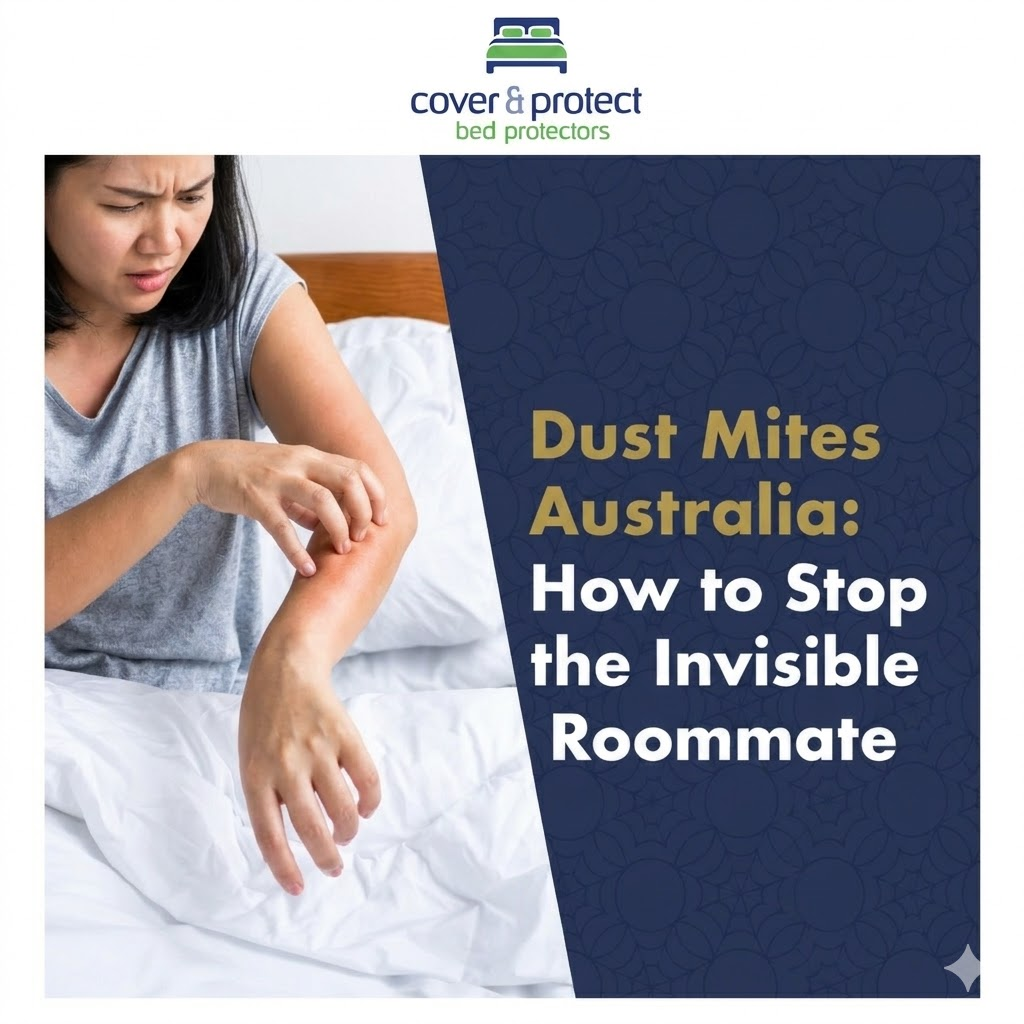
 

Dust Mites Australia: How to Stop the Invisible Roommate

The Differences Between Waterproof and Non-Waterproof Mattress Protectors: Which One Is Right for You?

A mattress protector is an essential accessory for preserving the longevity and cleanliness of your mattress. Whether you have just invested in a new mattress or want to extend the life of an existing one, a mattress protector can provide the necessary barrier against dirt, allergens, and spills. However, not all mattress protectors are the same—one of the biggest distinctions comes down to whether they are waterproof or non-waterproof.

In this article, we will explore the key differences between waterproof and non-waterproof mattress protectors, their benefits and drawbacks, and how to choose the right one for your needs.

What Is a Mattress Protector?

A mattress protector is a removable cover designed to safeguard a mattress against various external elements such as dust, dirt, allergens, moisture, and even bed bugs. These protectors act as a shield, keeping the mattress clean and extending its lifespan.

There are two main types of mattress protectors:

1. Protection Against Spills and Stains. 

o Ideal for households with children, pets, or individuals who may experience bedwetting or incontinence.
o Helps prevent permanent staining and potential mold or mildew growth.

• Waterproof Mattress Protectors: Designed to prevent liquid spills, stains, and moisture from reaching the mattress.

• Non-Waterproof Mattress Protectors: Offer protection from dust, allergens, and wear and tear but do not provide a barrier against liquids.

Click link to our mattress protectors website page

Understanding Waterproof Mattress Protectors

What Are Waterproof Mattress Protectors?

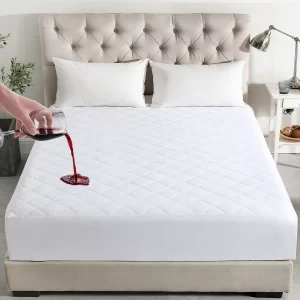
waterproof mattress protector

Waterproof mattress protectors feature a liquid-resistant barrier, usually made from materials such as polyurethane or vinyl, which prevents moisture from penetrating the mattress. These protectors are particularly useful for individuals who want to safeguard their beds against spills, incontinence, bedwetting, and accidental liquid exposure.

Benefits of Waterproof Mattress Protectors

1. Protection Against Spills and Stains
o Ideal for households with children, pets, or individuals who may experience bedwetting or incontinence.
o Helps prevent permanent staining and potential mold or mildew growth.
2. Allergy and Dust Mite Protection
o Acts as a barrier against allergens, dust mites, and bacteria, reducing allergic reactions.
o Some waterproof protectors also come with hypoallergenic properties.
3. Prevention of Mould and Mildew
o Because liquids cannot seep into the mattress, the risk of mold and mildew buildup is significantly reduced.

4. Extended Mattress Lifespan
o Protects the mattress from premature deterioration due to moisture damage.
5. Easy Maintenance
o Most waterproof protectors are machine washable, making them easy to clean and maintain.

Drawbacks of Waterproof Mattress Protectors

1. Potential Heat Retention
o Some waterproof protectors may trap heat, making them uncomfortable for hot sleepers.
o However, newer models use breathable waterproof materials to reduce heat buildup.
2. Noise and Texture
o Some waterproof protectors, particularly those made from vinyl, can produce a crinkling noise when moved.
o Higher-quality waterproof protectors use soft fabrics like cotton with a quiet waterproof backing to eliminate this issue.
3. Cost
o Waterproof protectors tend to be more expensive than non-waterproof options due to their additional protective layer.

Understanding Non-Waterproof Mattress Protectors

What Are Non-Waterproof Mattress Protectors?

Non-waterproof mattress protectors focus on providing a breathable, comfortable barrier between the sleeper and the mattress. These protectors are usually made from cotton, bamboo, or polyester blends and do not include a waterproof lining.

Benefits of Non-Waterproof Mattress Protectors

1. Enhanced Breathability
o Since there is no waterproof barrier, these protectors offer better airflow, helping regulate body temperature and reducing heat buildup.
2. Soft and Comfortable Feel
o Many non-waterproof protectors feel more like a regular bedsheet and add extra comfort without altering the mattress’s natural texture.
3. No Noise Issues
o Without a waterproof layer, these protectors do not produce any crinkling or rustling sounds when moving in bed.
4. Hypoallergenic Options Available
o Many non-waterproof protectors are designed to be hypoallergenic, offering protection against dust mites, pet dander, and other allergens.
5. Affordability  o Generally, non-waterproof protectors are more budget-friendly compared to their waterproof counterparts.

Drawbacks of Non-Waterproof Mattress Protectors
1. Lack of Liquid Protection
o Since these protectors do not block liquid spills, any accidental drink spillage, sweat, or incontinence incidents may seep into the mattress.
2. Limited Protection Against Stains and Odours
o While they help prevent dust accumulation, they cannot prevent liquid stains or odours from developing over time.
3. Shorter Lifespan
o Without moisture resistance, these protectors may wear out faster due to repeated washing and exposure to spills.

Choosing the Right Mattress Protector for You
When deciding between a waterproof and non-waterproof mattress protector, consider the following factors:
Who Should Choose a Waterproof Mattress Protector?
• Parents with young children who may have bedwetting accidents.
• Individuals with incontinence issues or medical conditions requiring bed protection.
• Households with pets that might cause accidental spills.
• People who frequently eat or drink in bed.
• Those who live in humid climates where moisture build-up can lead to mould.

Conclusion

Both waterproof and non-waterproof mattress protectors serve essential roles in keeping your mattress clean and prolonging its lifespan. The best choice depends on your specific needs, lifestyle, and comfort preferences. If liquid protection is a priority, a waterproof mattress protector is the way to go. However, if breathability and comfort are more important, a non-waterproof protector might be the better option.
Regardless of your choice, investing in a mattress protector is always a wise decision to keep your sleeping environment hygienic and comfortable.