Free Shipping Australia Wide For Orders Over $70.00
Quick Answer: Most Australian mattress protectors are sold by bed size (single, double, queen, king, etc.) and by mattress depth (commonly 24cm or 33cm+ for fitted styles). If your mattress is a standard depth (up to around 27cm), a 24cm-rated protector will fit. If you have a pillow-top, plush, or deeper mattress, size up to a 33cm+ depth option — most fitted protectors and encasements also stretch 4–5cm in any direction, giving a bit of margin either way.
Buying a mattress protector should be simple, but it’s one of the most common sources of “wrong size” returns and frustrated reviews — usually because the buyer matched the bed size correctly but got the depth wrong, or didn’t realise a protector and an encasement are sized and fitted differently.
This guide walks through exactly how mattress protector sizing works in Australia, how to measure your own mattress in under a minute, and which product type suits which mattress — so you order the right one the first time.
Cover & Protect has supplied mattress and bedding protection to Australian households, hotels, and healthcare providers since 2007, as an authorised direct-to-consumer distributor of genuine Protect-A-Bed® products across multiple depth and size ranges. This guide is based on that product range and the sizing questions we’re asked most often.
Mattress protectors and encasements are sized on two separate measurements, and it’s easy to get one right and the other wrong:
Most fitted mattress protectors and encasements are designed with a bit of stretch built into the fabric — commonly around 4 to 5cm in any direction — which is why two depth options (for example, 24cm and 33cm) can comfortably cover the full range of mattresses sold in Australia rather than needing a separate size for every possible thickness.
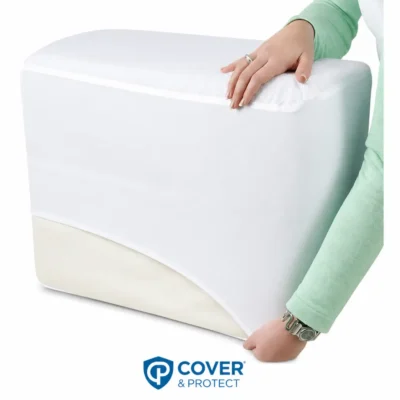
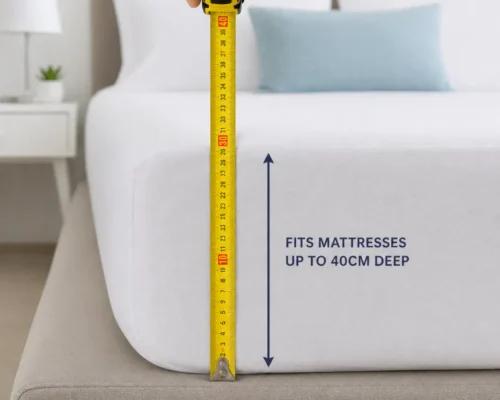
If your mattress sits right on the boundary between two depth options (for example, 24–27cm), sizing up to the deeper option is usually the safer choice, since a slightly loose fit is less of a problem than one that won’t stretch over the corners at all.
| Bed Size | Approx. Mattress Dimensions (W x L) | Standard Depth Option | Deep/Extra-Deep Option | Best For |
|---|---|---|---|---|
| Single | 92 x 188 cm | ~24cm | ~33cm+ | Kids’ beds, single guest rooms |
| King Single | 107 x 203 cm | ~24cm | ~33cm+ | Teen/adult single rooms |
| Double | 138 x 188 cm | ~24cm | ~33cm+ | Shared standard beds, guest rooms |
| Queen | 153 x 203 cm | ~24cm | ~33cm+ | Most common adult bed size |
| King | 183 x 203 cm | ~24cm | ~33cm+ | Larger primary bedrooms |
| Super King | 203 x 203 cm | ~24cm | ~33cm+ | Premium/custom bed setups |
Depth options and exact stretch tolerance vary slightly by specific product range — always check the individual product page for confirmed depth fit before ordering, particularly for pillow-top or plush mattresses over 40cm.
Standard 24cm depth suits you if:
Deep 33cm+ (or extra-deep 40–50cm) suits you if:
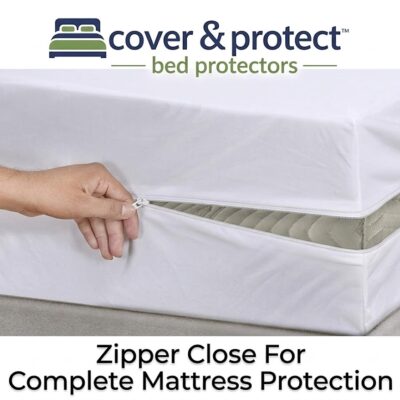
A fully zippered encasement (rather than a fitted protector) suits you if:
How do I measure my mattress for the right protector depth? Use a tape measure to check the height from the bottom edge of the mattress to the top of the sleep surface, at the side of the bed. Round up to the nearest depth option rather than down, since a slightly looser fit is preferable to one that won’t stretch over the corners.
What’s the difference between a 24cm and a 33cm mattress protector? The number refers to the maximum mattress depth (height) the protector is designed to stretch over and stay securely fitted to. A 24cm protector suits standard mattresses; a 33cm or deeper option is needed for pillow-top, Euro-top, or plush mattresses that sit higher.
Will a mattress protector stretch to fit if my mattress is slightly deeper than the stated size? Most quality protectors and encasements include some stretch — commonly 4 to 5cm in any direction — but this isn’t a substitute for choosing the correct depth range. If your mattress is close to the upper limit of a depth option, size up rather than relying on stretch alone.
Is a queen mattress protector the same size across all brands? Bed size names (queen, king, etc.) are broadly standardised in Australia, but exact centimetre dimensions can vary slightly by manufacturer. If you’re unsure, measure your mattress directly rather than relying on the size label alone.
Do I need a different protector for a mattress topper? If you use a mattress topper under your fitted sheet, measure the combined depth of mattress plus topper when choosing a protector or encasement depth, since the topper effectively increases the total height the protector needs to stretch over.
What if my mattress is between two depth options? Choose the deeper option. A protector with some room to spare will sit securely; one that’s too shallow may not stay fitted at the corners overnight.
Based on the most common sizing questions we’re asked, our recommendation is:
Cover & Protect has been an authorised direct-to-consumer distributor of genuine Protect-A-Bed® bedding protection products in Australia since 2007, supplying households, hotels, and healthcare providers with correctly fitted mattress protection across a full range of bed sizes and mattress depths. Sizing questions are among the most common queries we receive, which is exactly why we’ve put together this guide — to help you land on the right product on the first order, rather than guessing and hoping it fits.
Getting the right mattress protector comes down to two numbers: your bed size and your mattress depth. Measure both before you buy, round up if you’re between depth options, and choose a fitted waterproof mattress protector for everyday protection or a fully zippered mattress encasement if complete sealing against allergens, bed bugs, or heavier incontinence is the goal. Still not sure which depth or style fits your mattress? Check the specific sizing details on each product page before ordering, or get in touch before you buy.
OEKO-TEX Standard 100 Certification
Read more article from Cover and Protect
👉 Upgrade your sleep today with Cover & Protect’s premium bedding protection range.
Since 2007, Cover & Protect has provided Australian households, healthcare facilities, and accommodation providers with evidence-based allergen management solutions. Our content is crafted and reviewed in alignment with peak allergy bodies, including National Asthma Council Sensitive Choice® guidelines, to help Australians manage asthma and dust mite allergies effectively.
Learn more about our team and testing standards:
Do you have questions about our products? We’re here to help! Whether you need guidance on the best protector for your needs or have inquiries about our offerings, our friendly team is happy to assist.
👉 Shop our range today and experience the best in bedding protection!
📞 Call us: 02 931 66654 (Mon-Fri) | 0408 113 089 (7 Days)
📩 Email us: sales@coverandprotect.com.au
Our range of mattress, pillow and bedding protectors is designed to help safeguard your bedding from bed bugs, dust mites, allergens, spills and everyday stains—while supporting a cleaner, healthier and more hygienic sleep environment.