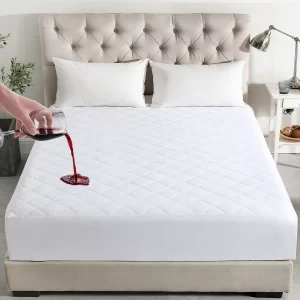
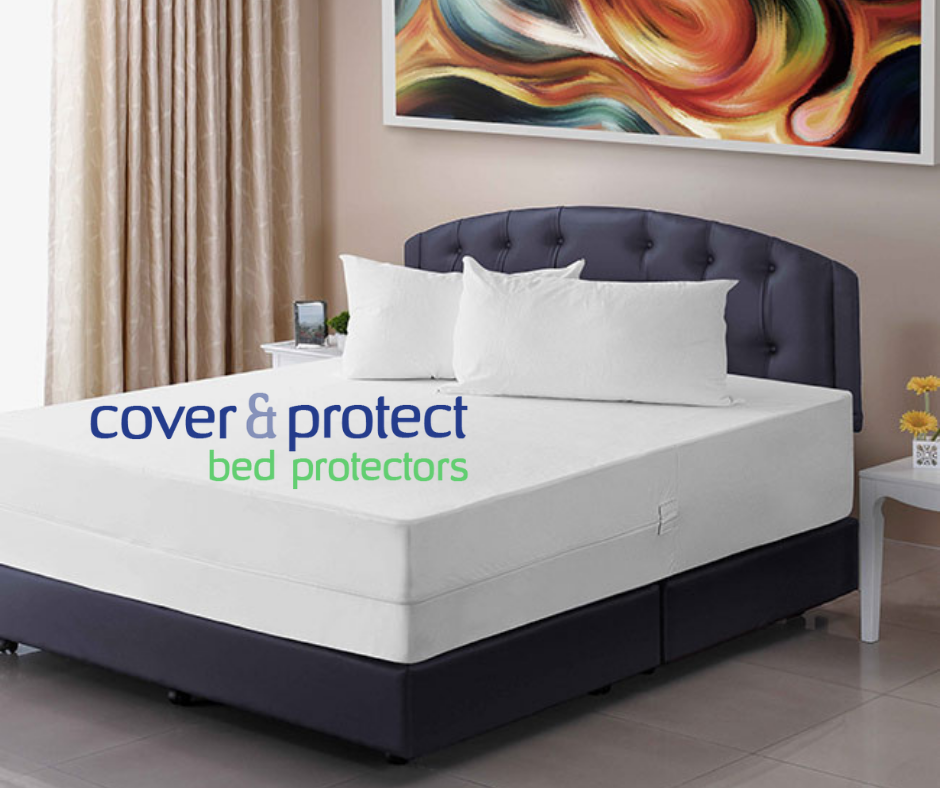
Bed bugs and dust mites are common in Australian homes and can seriously affect sleep and health. Using fully encased mattress protectors, washing bedding at high temperatures, controlling humidity, and reducing clutter are the most effective ways to prevent infestations and allergen exposure.
Encasement protectors are the most effective defence against bed bugs and dust mites
Heat kills both pests, making hot washing essential
Humidity control reduces dust mite survival
Early detection prevents costly infestations
Prevention is cheaper than treatment

Australia’s warm climate, coastal humidity, and indoor living make bedding the perfect environment for microscopic and visible pests. Whether you’re in a sun-baked Western Sydney home, a coastal unit exposed to salt air, or a regional property with fluctuating temperatures, your mattress is vulnerable.
Bed bugs are small, reddish-brown insects that feed on human blood, typically while we’re asleep. Though they don’t transmit diseases, their bites can cause itching, allergic reactions, and psychological distress. Bed bugs are expert hiders and can live in mattress seams, bed frames, furniture, and even behind wallpaper.
They often enter homes through:
Travel luggage
Second-hand furniture
Guests’ belongings
Small blood spots on sheets
Rust-coloured droppings
A musty, sweet odour
Shed skins or eggs
Bite clusters on exposed skin
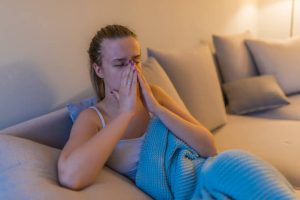
Dust mites, are microscopic creatures that thrive in warm, humid environments like mattresses and pillows. They don’t bite, but their waste particles are a major trigger for asthma, eczema, and allergic rhinitis, especially in children.
Sneezing and nasal congestion
Itchy or watery eyes
Wheezing or coughing
Eczema flare-ups
Symptoms worse at night or early morning
A bed bug and dust mite mattress encasement completely seals your mattress using a secure zipper and tightly woven fabric.
Look for:
Lab-tested bed bug proofing
Pore size under 10 microns
Waterproof yet breathable membranes
Machine-washable durability
Once installed, bed bugs are trapped inside and die off, while new pests can’t enter. Dust mites are fully blocked, reducing allergen exposure immediately.
Click link to mattress encasements
Pillows hold more dust mites than mattresses. Use waterproof, allergen-proof pillow protectors under your pillowcase to block moisture, mites, and spills without noise or heat build-up.
Click link to Cover & Protect pillow protectors
Quilts and toppers are often overlooked but are ideal hiding places. Encasements here provide an added layer of protection, especially for allergy sufferers.
Sheets & pillowcases: Weekly at 60°C+
Quilts & pillows: Every 3–6 months
Dryer: Use the hottest safe setting
Australia’s strong sun also helps — UV exposure naturally reduces mite populations.
Use a HEPA-filter vacuum on:
Mattresses
Bed frames
Skirting boards
Under the bed
Dispose of vacuum contents outside immediately.
Click Link to VACUMI dust mite vacuum cleaner
Dust mites thrive at 70–80% humidity.
Aim for under 50% by:
Using air-conditioning or dehumidifiers
Ventilating on dry days
Avoiding drying clothes indoors
Less clutter means fewer places for pests to hide.
Avoid under-bed storage
Reduce soft furnishings
Store clothes in sealed bags
Choose simple, easy-to-clean bed frames
Bed bugs hitch rides in luggage.
Before and after travel:
Inspect hotel mattress seams
Keep bags off the floor
Wash clothes immediately on return
Never bring home used mattresses unchecked
Yes. Fully encased, zip-sealed protectors prevent entry and trap existing bugs until they die.
Dust mites can live for months unless exposed to heat, dryness, or allergen-blocking barriers.
High-quality protectors are breathable and temperature-neutral.
Every 1–2 months, or immediately after spills or illness.
Your bed should be a safe haven, not a hiding place for pests and allergens. With the right protectors, regular cleaning, and simple prevention habits, you can sleep comfortably and confidently all year round.
If you’re looking for high-quality, Australian-tested bedding protection, consider Cover and Protect. Our range of mattress, pillow, and quilt protectors are waterproof, allergen-proof, and designed to keep your bed safe from unwanted guests – bed bugs, dust mites, and everything in between.
Related information:
OEKO-TEX Standard 100 Certification
Read more article from Cover and Protect
👉 Upgrade your sleep today with Cover & Protect’s premium bedding protection range.
Contact Us Today
Do you have questions about our products? We’re here to help! Whether you need guidance on the best protector for your needs or have inquiries about our offerings, our friendly team is happy to assist.
👉 Shop our range today and experience the best in bedding protection!
📞 Call us: 02 931 66654 (Mon-Fri) | 0408 113 089 (7 Days)
📩 Email us: sales@coverandprotect.com.au
At Cover & Protect, we’re more than just a bedding protection supplier—we’re your trusted partner in creating a safer, healthier, and more comfortable sleep