Free Shipping For Orders Over $70.00

Waterproof Mattress Protector vs Encasement (AU Guide)
Cover And Protect Brand Banner Showcasing Protect-A-Bed Waterproof Mattress Protectors And Dust Mite Covers Next To A Smiling Family On A White Bed.

Waterproof Mattress Protector vs Mattress Encasement: Which Should Australians Buy?

A waterproof mattress protector is designed to guard the top and sides of a mattress against spills, sweat, and everyday wear, while a mattress encasement fully seals the mattress for maximum protection against allergens, bed bugs, and contamination. The right choice depends on whether your priority is comfort, convenience, or full environmental isolation.

Problem Overview

Australian households and hospitality venues increasingly face three consistent mattress risks: liquid damage, allergen exposure, and hygiene degradation over time. With warmer climates in many regions and high humidity in coastal areas, mattresses are particularly vulnerable to moisture retention and dust mite activity.

Evidence / Explanation

A standard mattress can absorb litres of body moisture annually, creating an environment conducive to dust mites and bacteria. Waterproof bedding barriers significantly reduce this absorption, extending mattress lifespan and improving hygiene outcomes.

Expert Insight

In commercial hospitality settings, mattress protection is not optional—it is part of operational risk management. Encasements are typically used in high-turnover or high-allergen environments, while waterproof protectors are preferred in comfort-focused residential use.

Main Comparison Section

Benefits

Waterproof Mattress Protector

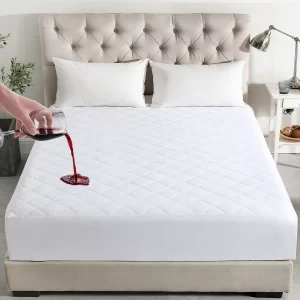
Cover &Amp; Protect Waterproof Mattress Protector Showing Blue Liquid Splash On White Mattress With Bed Logo
Our premium 100% waterproof barrier prevents spills and stains from reaching your mattress.
  • Easy to remove and wash
  • Maintains mattress breathability
  • Quiet and comfortable for daily use
  • Protects against spills, sweat, and stains
  • Suitable for most Australian homes
  • Protect-A-Bed innovative MultiShield™ waterproof Backing


Mattress Encasements

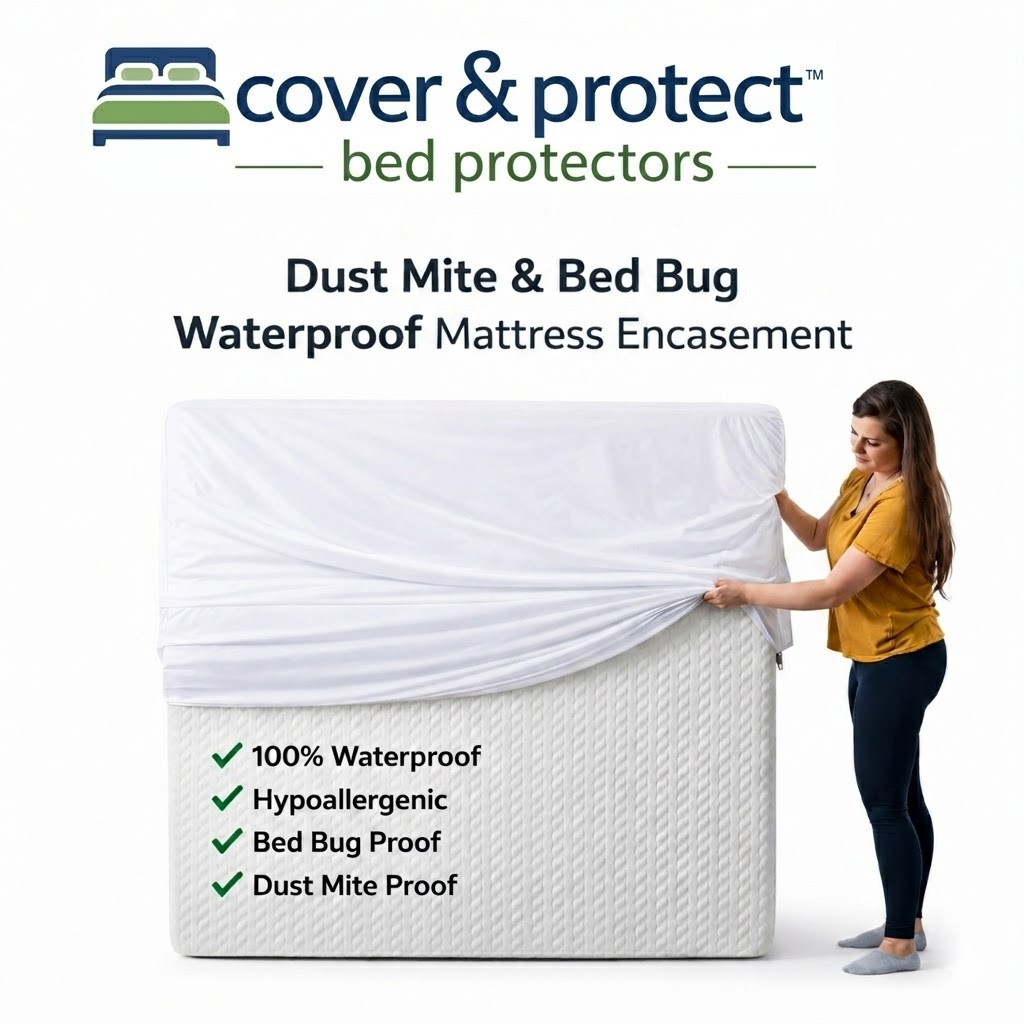
A Woman Fitting A Cover &Amp; Protect 100% Waterproof Mattress Encasement, Designed For Total Bed Bug Protection And Dust Mite Control In Australian Homes.

Protect your bed with our premium, fully sealed waterproof mattress encasement. 

  • Fully encloses mattress (top + sides + base)
  • Strong barrier against bed bugs
  • Reduces allergen exposure (dust mites, pollen)
  • Ideal for clinical or hospitality environments
  • Long-term hygiene protection.
  • Protect-A-Bed innovative MultiShield™ waterproof Backing


Limitations

Waterproof Mattress Protector

  • only seal top surface of mattress
  • Less effective against bed bugs
  • Limited allergen isolation compared to encasements

Mattress Encasement

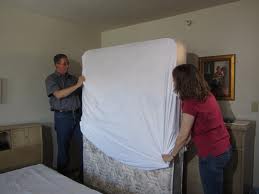
Installing A Mattress Encasement
Installing a mattress encasement

Who It Suits

Waterproof Mattress Protector is best for:

  • Families with children
  • Everyday residential use
  • Spill-prone environments
  • People wanting comfort + protection balance

Mattress Encasement is best for:

  • Allergy-sensitive households
  • Hotels, Airbnb, and hospitality venues
  • Pest-prone environments
  • Long-term mattress preservation strategies

Australian Buying Considerations

Climate

Australia’s diverse climate plays a major role in bedding selection. Humid regions (QLD, coastal NSW) increase dust mite activity, while dry inland regions prioritise spill and dust protection. Waterproof barriers help regulate hygiene across both environments. Hot sleepers we recommend cotton protectors

Household Needs

Families often prioritise washable convenience and comfort, making waterproof mattress protectors the most practical solution. Allergy-focused households or shared accommodation environments may benefit more from full encasement protection.

Commercial Applications

Hospitality operators, aged care facilities, and short-stay accommodation providers typically use encasements for compliance-level hygiene control. Waterproof protectors are often layered on top for added comfort and turnover efficiency.

How Cover & Protect Approaches This

Since 2007, Cover & Protect has supported Australian homes and hospitality venues with specialist bedding protection solutions.

As an authorised direct-to-consumer distributor of genuine Protect-A-Bed products, Cover & Protect focuses on:

  • Evidence-based product education rather than generic marketing claims
  • Commercial-grade bedding protection used in hospitality environments
  • Direct supply chain access from official manufacturing channels
  • Long-term mattress hygiene and durability outcomes

Frequently Asked Questions

1. What is the main difference between a waterproof mattress protector and a mattress encasement?

A waterproof mattress protector shields the top and sides of a mattress from spills and moisture, while an encasement fully encloses the mattress, including the base, providing stronger protection against allergens and pests.

2. Do waterproof mattress protectors stop dust mites?

They reduce exposure but do not fully isolate dust mites. Mattress encasements are more effective for full allergen control because they seal the mattress completely.

3. Are mattress encasements uncomfortable to sleep on?

Modern designs are much more breathable than older versions. However, they can feel slightly less soft compared to standard waterproof protectors, depending on the material used.

4. Which option is better for children?

Waterproof mattress protectors are usually preferred for children due to spills, bedwetting, and easier washing, while still maintaining comfort.

5. Do hotels use mattress protectors or encasements?

Most Australian hotels use encasements for hygiene compliance, often paired with a waterproof protector on top for guest comfort and mattress longevity.

6. Can I use both together?

Yes. Many households and hotels layer an encasement for full protection and a waterproof protector for comfort and easy cleaning.

7. Do these products affect mattress breathability?

High-quality waterproof protectors are designed to be breathable. Encasements vary, but premium versions are engineered to minimise heat retention.

8. How often should I wash a mattress protector?

Typically every 2–4 weeks in residential use, or more frequently in high-use environments such as hospitality or allergy-sensitive households.

9. Will a mattress encasement extend mattress life?

Yes. By preventing dust, moisture, and pest infiltration, encasements significantly reduce long-term mattress degradation.

10. Are waterproof mattress protectors noisy?

Older PVC-based designs were noisy, but modern fabric-backed waterproof protectors are generally quiet and comfortable.

11. What is better for allergies?

Mattress encasements are more effective because they fully isolate allergens within the mattress.

12. Are these products necessary in Australia’s climate?

Yes, especially in humid regions where moisture and dust mites are more prevalent, making waterproof barriers highly beneficial.

Final Recommendation

For most Australian households, a waterproof mattress protector offers the best balance of comfort, protection, and convenience. For allergy control, pest prevention, or hospitality compliance, a mattress encasement is the stronger solution.

A waterproof mattress protector protects against spills, sweat, and stains on the top of the mattress, while a mattress encasement fully seals the mattress for stronger allergen and pest protection. In Australia, protectors suit most homes, while encasements are preferred for allergies and hospitality use.

Key Takeaways

  • Protectors = comfort + spill protection
  • Encasements = full mattress isolation
  • Australia’s climate increases dust mite risk
  • Hospitality uses encasements for compliance
  • Many users benefit from combining both

Comparison Table

FeatureWaterproof Mattress ProtectorMattress Encasement
CoverageTop + sidesFully sealed
Spill protectionHighHigh
Allergen protectionModerateHigh
Bed bug protectionLowHigh
ComfortHighModerate
Ease of useEasyMore complex

Related information:

OEKO-TEX Standard 100 Certification

Miracle Layer™ membrane

Read more article from Cover and Protect

👉 Upgrade your sleep today with Cover & Protect’s premium bedding protection range.

Contact Us Today

Do you have questions about our products? We’re here to help! Whether you need guidance on the best protector for your needs or have inquiries about our offerings, our friendly team is happy to assist.

👉 Shop our range today and experience the best in bedding protection!

📞 Call us02 931 66654 (Mon-Fri) | 0408 113 089 (7 Days)
📩 Email us: sales@coverandprotect.com.au

At Cover & Protect, we’re more than just a bedding protection supplier—we’re your trusted partner in creating a safer, healthier, and more comfortable sleep

Waterproof Mattress Protector vs Encasement (AU Guide)

The Differences Between Waterproof and Non-Waterproof Mattress Protectors: Which One Is Right for You?

A mattress protector is an essential accessory for preserving the longevity and cleanliness of your mattress. Whether you have just invested in a new mattress or want to extend the life of an existing one, a mattress protector can provide the necessary barrier against dirt, allergens, and spills. However, not all mattress protectors are the same—one of the biggest distinctions comes down to whether they are waterproof or non-waterproof.

In this article, we will explore the key differences between waterproof and non-waterproof mattress protectors, their benefits and drawbacks, and how to choose the right one for your needs.

What Is a Mattress Protector?

A mattress protector is a removable cover designed to safeguard a mattress against various external elements such as dust, dirt, allergens, moisture, and even bed bugs. These protectors act as a shield, keeping the mattress clean and extending its lifespan.

There are two main types of mattress protectors:

1. Protection Against Spills and Stains. 

o Ideal for households with children, pets, or individuals who may experience bedwetting or incontinence.
o Helps prevent permanent staining and potential mold or mildew growth.

• Waterproof Mattress Protectors: Designed to prevent liquid spills, stains, and moisture from reaching the mattress.

• Non-Waterproof Mattress Protectors: Offer protection from dust, allergens, and wear and tear but do not provide a barrier against liquids.

Click link to our mattress protectors website page

Understanding Waterproof Mattress Protectors

What Are Waterproof Mattress Protectors?

waterproof mattress protector

Waterproof mattress protectors feature a liquid-resistant barrier, usually made from materials such as polyurethane or vinyl, which prevents moisture from penetrating the mattress. These protectors are particularly useful for individuals who want to safeguard their beds against spills, incontinence, bedwetting, and accidental liquid exposure.

Benefits of Waterproof Mattress Protectors

1. Protection Against Spills and Stains
o Ideal for households with children, pets, or individuals who may experience bedwetting or incontinence.
o Helps prevent permanent staining and potential mold or mildew growth.
2. Allergy and Dust Mite Protection
o Acts as a barrier against allergens, dust mites, and bacteria, reducing allergic reactions.
o Some waterproof protectors also come with hypoallergenic properties.
3. Prevention of Mould and Mildew
o Because liquids cannot seep into the mattress, the risk of mold and mildew buildup is significantly reduced.

4. Extended Mattress Lifespan
o Protects the mattress from premature deterioration due to moisture damage.
5. Easy Maintenance
o Most waterproof protectors are machine washable, making them easy to clean and maintain.

Drawbacks of Waterproof Mattress Protectors

1. Potential Heat Retention
o Some waterproof protectors may trap heat, making them uncomfortable for hot sleepers.
o However, newer models use breathable waterproof materials to reduce heat buildup.
2. Noise and Texture
o Some waterproof protectors, particularly those made from vinyl, can produce a crinkling noise when moved.
o Higher-quality waterproof protectors use soft fabrics like cotton with a quiet waterproof backing to eliminate this issue.
3. Cost
o Waterproof protectors tend to be more expensive than non-waterproof options due to their additional protective layer.

Understanding Non-Waterproof Mattress Protectors

What Are Non-Waterproof Mattress Protectors?

Non-waterproof mattress protectors focus on providing a breathable, comfortable barrier between the sleeper and the mattress. These protectors are usually made from cotton, bamboo, or polyester blends and do not include a waterproof lining.

Benefits of Non-Waterproof Mattress Protectors

1. Enhanced Breathability
o Since there is no waterproof barrier, these protectors offer better airflow, helping regulate body temperature and reducing heat buildup.
2. Soft and Comfortable Feel
o Many non-waterproof protectors feel more like a regular bedsheet and add extra comfort without altering the mattress’s natural texture.
3. No Noise Issues
o Without a waterproof layer, these protectors do not produce any crinkling or rustling sounds when moving in bed.
4. Hypoallergenic Options Available
o Many non-waterproof protectors are designed to be hypoallergenic, offering protection against dust mites, pet dander, and other allergens.
5. Affordability  o Generally, non-waterproof protectors are more budget-friendly compared to their waterproof counterparts.

Drawbacks of Non-Waterproof Mattress Protectors
1. Lack of Liquid Protection
o Since these protectors do not block liquid spills, any accidental drink spillage, sweat, or incontinence incidents may seep into the mattress.
2. Limited Protection Against Stains and Odours
o While they help prevent dust accumulation, they cannot prevent liquid stains or odours from developing over time.
3. Shorter Lifespan
o Without moisture resistance, these protectors may wear out faster due to repeated washing and exposure to spills.

Choosing the Right Mattress Protector for You
When deciding between a waterproof and non-waterproof mattress protector, consider the following factors:
Who Should Choose a Waterproof Mattress Protector?
• Parents with young children who may have bedwetting accidents.
• Individuals with incontinence issues or medical conditions requiring bed protection.
• Households with pets that might cause accidental spills.
• People who frequently eat or drink in bed.
• Those who live in humid climates where moisture build-up can lead to mould.

Conclusion

Both waterproof and non-waterproof mattress protectors serve essential roles in keeping your mattress clean and prolonging its lifespan. The best choice depends on your specific needs, lifestyle, and comfort preferences. If liquid protection is a priority, a waterproof mattress protector is the way to go. However, if breathability and comfort are more important, a non-waterproof protector might be the better option.
Regardless of your choice, investing in a mattress protector is always a wise decision to keep your sleeping environment hygienic and comfortable.