How to Protect Your Child’s Bedding When Toilet Training
Quick Summary: Toilet training is a major milestone, but it often comes with “wet bed” stress. To protect bedding effectively, you need a combination of high-quality waterproof mattress protectors, layering strategies, and breathable fabrics. This guide covers the best Aussie-approved methods to keep mattresses dry and laundry piles manageable.
Key Takeaways for Stress-Free Nights
Invest in Quality: Use a breathable, waterproof protector—not a noisy plastic sheet.
The Layering Hack: Layer two sets of protectors and sheets to make 3 AM changes a breeze.
Protect Everything: Don’t forget pillows and quilts; accidents aren’t always contained to the bottom sheet.
Consistency is King: Ensure the bed is protected every single night to prevent mattress staining and odours.
Why Bedding Protection is the Secret to Success
Toilet training is as much about managing the environment as it is about teaching your little one. In the Australian climate, we want fabrics that are waterproof yet breathable to ensure the child doesn’t overheat while staying dry.
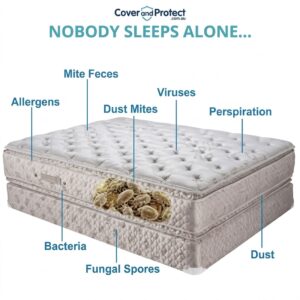
A ruined mattress is an expensive mistake. Standard mattresses act like sponges, absorbing moisture and trapping bacteria, which can lead to mould and unpleasant odours in your child’s bedroom. By using the right armour for your bed, you remove the “fear” of accidents, making the process more relaxed for both you and your toddler.
Click Link for Cover and Protect’s mattress protectors
The “Expert Definition” for Position Zero
What is bed protection? Bed protection refers to the use of specialised waterproof barriers, such as mattress protectors and encasements, designed to stop liquids from penetrating bedding layers. In Australia, the best protectors use breathable membranes to prevent heat retention while ensuring 100% moisture protection for the mattress.
The Ultimate 3-Step Bedding Protection Strategy
1. The “Double-Bag” Layering Technique
This is the gold standard for Aussie parents. Instead of just one layer, you sandwich the bedding.
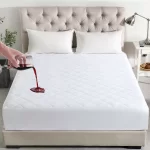
Place a waterproof mattress protector on the mattress.
Put a fitted sheet over it.
Place a second waterproof protector over that sheet.
Top it with a final fitted sheet.
When an accident happens at 2 AM, you simply peel off the top two layers, and a fresh, dry bed is already waiting underneath. No more fumbling in the linen cupboard in the dark!
2. Protecting the “Splash Zone” (Pillows & Quilts)
Most parents focus on the mattress, but toddlers move around a lot. A “wet” incident can easily reach the quilt or the pillow.
Waterproof Pillow Protectors: These prevent yellowing and odours.
- Click Link to our waterproof pillow protectors
Waterproof Quilt Protectors: These are lifesavers, as washing a heavy quilt or doona in a standard Australian washing machine can be a nightmare.
- Click link to our waterproof quilt protectors

Choosing the Right Materials
Avoid the old-school PVC or “crinkly” plastic. They are hot, uncomfortable, and loud. Look for Cotton Terry or Bamboo surfaces. These materials are silent and wick away moisture, keeping your child comfortable even on humid Queensland nights or dry Victorian winters.
Cleaning and Maintenance Tips
To ensure your waterproof bedding lasts through the entire toilet training journey, follow these local care tips:
Rinse Immediately: If an accident occurs, rinse the protector in cold water to prevent salt from the urine from damaging the waterproof membrane.
Sun Dry: Australia’s sun is a natural disinfectant. Hang your protectors on the line, but avoid extreme midday heat which can sometimes “bake” the laminate if left for days.
Check the Seal: Periodically check the underside of your protector for any cracks or peeling.
Frequently Asked Questions (FAQ)
What is the best way to protect bedding during toilet training?
The best way is to use a breathable waterproof mattress protector and employ the “layering” method. This protects the mattress from deep stains and makes middle-of-the-night cleanups significantly faster.
Can you wash waterproof bedding protectors in the machine?
Yes! Our protectors are designed for the busy Aussie household. You can machine wash them. We recommend a gentle cycle with a mild detergent to keep the waterproof barrier in top condition.
Do waterproof protectors make noise when kids move?
Not anymore. High-quality protectors use a soft fabric top (like cotton) bonded to a silent membrane. Your child won’t even know it’s there—there’s no “plastic crinkle” sound.
How many protectors do I need for toilet training?
We recommend a minimum of two. This ensures that while one is in the wash or drying on the line, your child’s mattress is still fully protected.
Final Recommendation & CTA
Toilet training doesn’t have to mean the end of your high-quality linens. By investing in the right total bed protection solutions, you can focus on supporting your child rather than scrubbing the mattress.
Contact Us Today
Do you have questions about our products? We’re here to help! Whether you need guidance on the best protector for your needs or have inquiries about our offerings, our friendly team is happy to assist.
📞 Call us: 02 931 66654 (Mon-Fri) | 0408 113 089 (7 Days)
📩 Email us: sales@coverandprotect.com.au
At Cover & Protect, we’re more than just a bedding protection supplier—we’re your trusted partner in creating a safer, healthier, and more comfortable sleep environment. Shop our range today and experience the best in bedding protection!