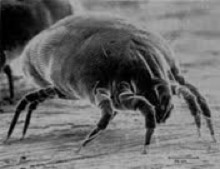
Direct Answer (The “Atomic Fact”): Dust mites are microscopic, eight-legged arachnids that thrive in warm, humid indoor environments, particularly bedding and upholstery. They do not bite humans; instead, they cause allergic reactions through a potent protein found in their waste particles (fecal matter) and decaying body parts, which trigger respiratory and skin inflammation.
While we often focus on visible household pests, the most impactful organism in your home is one you cannot see. Dermatophagoides pteronyssinus (the European dust mite) and Dermatophagoides farinae (the American dust mite) are the two most common species found in Australian households. These organisms are roughly 0.2–0.3 mm long, making them invisible to the naked eye.
Unlike bed bugs, dust mites are not parasites. They don’t feed on your blood; they feed on the dead skin cells (dander) that humans and pets shed daily. A single gram of dust can contain up to 1,000 mites, each producing about 20 waste particles per day. It is this waste—specifically the Der p 1 protein—that serves as a primary allergen for millions of people.
Dust mites don’t just “appear”; they colonise environments that meet three specific criteria: food, warmth, and moisture.
Dust mites do not drink water. They absorb moisture from the air through their shells. If the relative humidity in your home stays above 50%, mites can thrive and reproduce rapidly. In coastal regions like Sydney or Brisbane, humidity is the number one driver of mite populations.
The average adult sheds enough skin every day to feed 1 million dust mites. Areas where we spend the most time—our beds, lounge suites, and favourite armchairs—become concentrated feeding “hives.”
Mites prefer fibrous materials that trap moisture and provide “nooks” for breeding.
The Bedding Factor: Mattresses and pillows are the “ground zero” for infestations because they provide warmth from your body, moisture from your breath and sweat, and a constant supply of food.
Carpeting and Rugs: High-pile carpets act as a reservoir for dust and dander, protecting mites from light and dry air.
Distinguishing between a common cold, seasonal hay fever, and a dust mite allergy is essential for effective treatment. Unlike seasonal allergies, dust mite reactions are perennial, meaning they occur year-round but often worsen in winter when we seal our homes and turn up the heating.

The “Morning Sneeze”: Frequent sneezing immediately upon waking or while making the bed.
Chronic Congestion: A persistent “stuffy nose” or post-nasal drip that doesn’t resolve with cold medicine.
Watery or Itchy Eyes: Redness and irritation caused by airborne allergens settling on the ocular surface.
Atopic Dermatitis (Eczema): Dust mite waste is a primary trigger for skin flare-ups, causing red, itchy, and scaly patches.
Asthmatic Flare-ups: For those with asthma, dust mites can trigger chest tightness, wheezing, and difficulty breathing, particularly at night.
| Feature | Dust Mite Allergy | Common Cold |
| Onset | Sudden (often in bed) | Gradual |
| Duration | Months/Years | 7–10 Days |
| Mucus | Clear/Thin | Yellow/Thick |
| Fever | Never | Occasional |
While anyone can develop a sensitivity, certain groups are at significantly higher risk:
Children: Early exposure to high levels of dust mite allergens is a known risk factor for developing childhood asthma and lifelong allergies.
Asthma Sufferers: Up to 80% of people with asthma are sensitive to dust mites. Inhaling these particles can cause the airways to constrict, leading to dangerous attacks.
The Immunocompromised: Those with weakened immune systems may experience more severe inflammatory responses to household allergens.
The “Tradie” or Outdoor Worker: Often, those who work in dusty environments bring external pollutants home, which mix with household dust to create a “synergistic” allergic effect.
To truly “fix” a dust mite problem, you must move beyond surface cleaning. You need a multi-layered strategy that addresses both the mites themselves and the allergens they leave behind.
The 60°C Laundry Rule: Cold water does not kill dust mites. To eliminate them from sheets and pillowcases, you must wash bedding at 60°C (140°F) or higher. If your fabric is delicate, use an essential oil wash (like eucalyptus or tea tree) which has been shown to kill mites at lower temperatures.
HEPA Vacuuming: Standard vacuums often blow fine allergens back into the air through the exhaust. Use a vacuum with a certified HEPA filter to ensure 99.97% of particles are trapped.
Freezing Delicate Items: For children’s soft toys that cannot be washed hot, place them in a sealed bag in the freezer for 24 hours to kill the mites, followed by a cold wash to rinse away the waste.
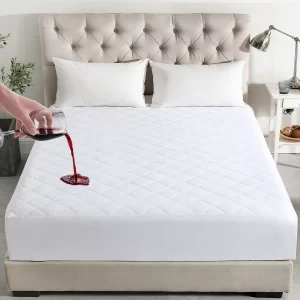
Allergen-Proof Covers (The Most Effective Fix): This is the “gold standard” of protection. Encasing your mattress, doona, and pillows in high-quality, microporous covers creates a physical barrier. The pore size must be smaller than 10 microns to prevent mites from entering or allergens from escaping.
Dehumidification: Invest in a dehumidifier to keep indoor humidity between 40% and 45%. Mites will naturally desicate (dry out) and die in these conditions.
Hard Flooring Transition: Where possible, replace carpets with timber, tile, or vinyl. If you must have rugs, choose low-pile options that are easy to steam clean.
In our internal testing of various bedding barriers, we found that “waterproof” covers are not always “allergen-proof.” Some cheap plastic-backed covers crack over time, allowing microscopic mites to migrate through the fissures. We recommend breathable, high-thread-count barriers that allow air circulation while maintaining a pore size of <6 microns. This ensures comfort without compromising on health.
Can you see dust mites with the naked eye? > No. They are microscopic. If you see small bugs in your bed, you are likely looking at bed bugs or clover mites, which are much larger.
Do air purifiers kill dust mites? > Air purifiers with HEPA filters capture airborne dust mite waste. However, they do not kill mites living deep inside carpets or mattresses, as those mites are not airborne.
How often should I wash my doona? > While sheets should be washed weekly, your doona (duvet) should be washed every 3 to 6 months at 60°C. Using a protective cover reduces the need for frequent washing of the heavy insert.
Is there a “spray” to kill dust mites? > There are acaricides (chemical sprays), but they are often not recommended for bedding due to skin sensitivity. Physical removal and humidity control are safer and more effective.
Do “hypoallergenic” mattresses work? > “Hypoallergenic” usually means the material is less likely to cause an allergic reaction itself (like latex). However, it can still collect dust and skin cells. A protective casing is still necessary.
| Action | Frequency | Impact |
| Wash Bedding (60°C) | Weekly | High (Removes Allergens) |
| HEPA Vacuuming | Twice Weekly | Medium (Reduces Dust) |
| Allergen-Proof Covers | Permanent | Highest (Prevents Colony) |
| Monitor Humidity | Daily | High (Stops Breeding) |
Eliminating dust mites entirely is nearly impossible, but reducing their population to “sub-allergic” levels is well within your reach. By controlling humidity, utilising high-heat laundry cycles, and—most importantly—investing in quality allergen barriers for your bed, you can significantly reduce respiratory distress and improve your sleep quality.
A clean home isn’t just about what you can see; it’s about protecting yourself from what you can’t.
Related information:
OEKO-TEX Standard 100 Certification
“BugLock®” three-sided zipper system.
Read article on The Ultimate Guide to Dust Mite Allergies
Read article on the best bedding protectors for your family.
Do you have questions about our products? We’re here to help! Whether you need guidance on the best protector for your needs or have inquiries about our offerings, our friendly team is happy to assist.
📞 Call us: 02 931 66654 (Mon-Fri) | 0408 113 089 (7 Days)
📩 Email us: sales@coverandprotect.com.au
At Cover & Protect, we’re more than just a bedding protection supplier—we’re your trusted partner in creating a safer, healthier, and more comfortable sleep environment. Shop our range today and experience the best in bedding protection!