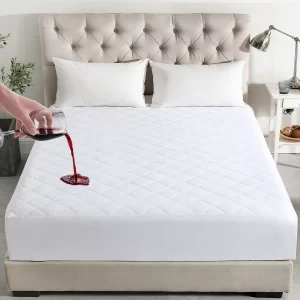

To effectively eradicate dust mites and airborne allergens from your sleeping environment, standard sheets and quilted protectors are insufficient. Implementing a microscopic barrier via a fully enclosed, zippered mattress encasement paired with dedicated pillow protectors is the gold-standard method to block microscopic dust mite faecal matter and skin flakes from settling into your bedding.
For millions of Australians, turning in for the night does not always bring restful sleep. Instead, it can trigger a frustrating wave of nocturnal sneezing, nasal congestion, itchy eyes, and waking up feeling unrefreshed. The culprit behind these disruptions is rarely a sudden nighttime cold; more often, it is an invisible colony of Dermatophagoides pteronyssinus—commonly known as the house dust mite—thriving deep within the layers of unshielded mattresses, pillows, and quilts.
As an education-led bedding protection specialist, Cover & Protect has spent nearly two decades helping families across the country understand the science of sleep hygiene. Established in 2007, we serve as an authorised direct-to-consumer distributor of genuine Protect-A-Bed® products in Australia. Operating through a direct fulfilment model through official supply channels, we ensure that households, commercial venues, and accommodation providers have access to commercial-grade, laboratory-tested barriers rather than unverified generic alternatives.
This comprehensive guide breaks down the biological mechanics of dust mite allergies, details how micro-toxins impact respiratory health, and provides an actionable blueprint to systematically eradicate these microscopic pests from your bedroom using advanced bedding textiles.
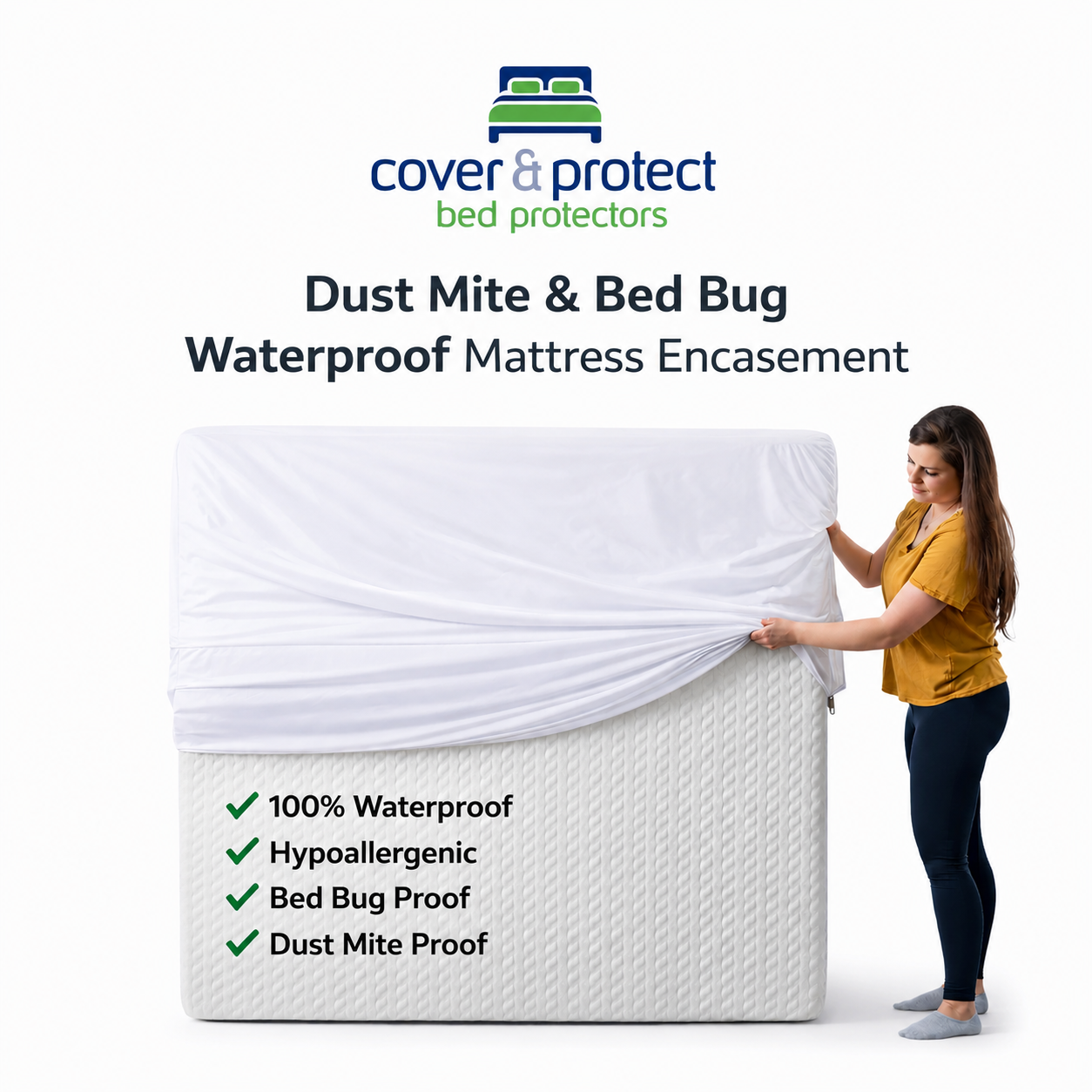
If your primary goal is allergen control and dust mite eradication: You require a six-sided, fully zippered barrier. Choose Waterproof Mattress Encasements that seal the entire mattress, preventing mites from entering or escaping.
If your primary goal is everyday hygiene and liquid management: A top-surface, fitted-sheet style protector is ideal. Choose Waterproof Mattress Protectors for easy removal and frequent washing to handle spills and stains.
To solve the problem of bedroom allergens, we must first look at the biological environment of the average Australian bed. Dust mites are microscopic arachnids, roughly 0.2–0.3 millimetres in length, making them invisible to the naked eye. They do not bite, sting, or burrow into human skin. Instead, their primary food source is shed human skin flakes (dander).
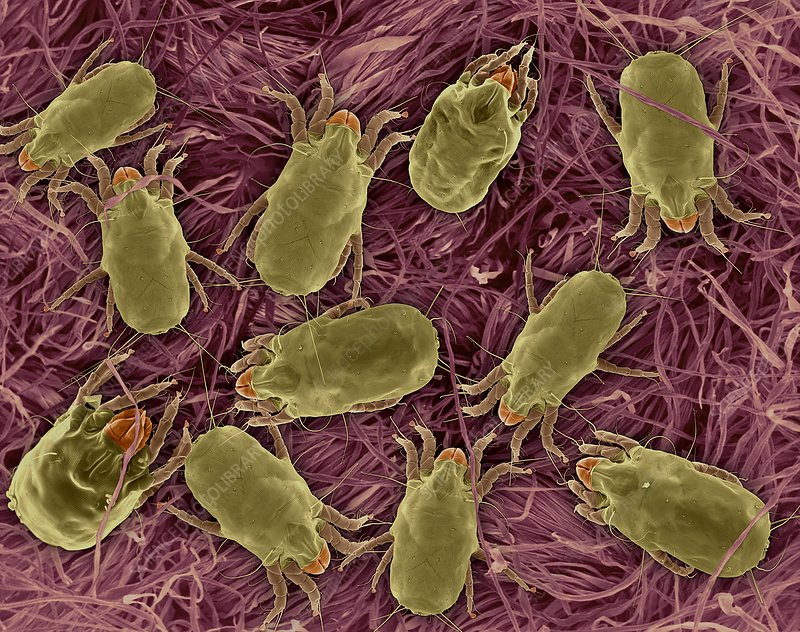
An average adult sheds approximately 1.5 grams of skin dander every day, a significant portion of which is deposited directly into our beds during the seven to eight hours we sleep. When this organic matter filters down through standard cotton sheets, it creates an optimal feeding ground within the porous polyurethane foam, latex, or fibrous padding of the mattress.
According to clinical insights from organizations like Asthma Australia, the primary cause of allergic reactions is not the live mite itself, but the highly potent digestive enzymes found within their faecal pellets and decaying body fragments. The specific proteins responsible are designated by scientists as Der p 1 (derived from Dermatophagoides pteronyssinus) and Der f 1 (from Dermatophagoides farinae).
Particle Size: These faecal particles average between 10 to 40 microns in size.
The Mechanism: When you move, shift positions, or make the bed, these microscopic particles become airborne. Once suspended in the air, they are easily inhaled into the respiratory tract.
The Immune Response: For individuals with sensitive immune systems, the body identifies these harmless proteins as dangerous invaders. This triggers an immediate release of histamines, leading to mucosal inflammation, airway constriction, and skin irritation.
Dust mites depend entirely on ambient moisture to survive because they do not drink water; instead, they absorb water vapour directly from the air through specialized glands. They thrive in environments with a relative humidity above 50% and temperatures between 20°C and 25°C.
Coastal Australian cities—including Sydney, Brisbane, Melbourne, and Adelaide—frequently experience extended periods of high relative humidity. When combined with the trapped body heat and perspiration generated by a sleeping person, an unprotected mattress quickly becomes an optimal incubator for dust mite populations. Over a twelve-month period without a physical barrier, a single mattress can play host to millions of these microscopic organisms.

When dealing with an established dust mite population inside a mattress or pillow, simply vacuuming the surface or spraying chemical treatments is not an effective long-term solution. The only reliable method to manage these allergens is complete physical isolation. This is accomplished by installing a scientifically engineered membrane that acts as an impenetrable shield between your body and the internal components of your bed.
By wrapping your mattress in a six-sided zipped encasement, you establish an absolute physical barrier. Dead skin flakes can no longer penetrate the fabric to feed the dust mite colony residing within. Deprived of their primary nutrient source, the existing population inside the mattress will naturally decline over time, preventing further reproduction cycles.
If a mattress is already several years old, it likely contains billions of active and historical allergen particles. A premium encasement featuring a certified polyurethane membrane—such as the Miracle Layer™ found in genuine Protect-A-Bed® products—effectively locks these particles inside. Because the pore size of this specialized membrane is significantly smaller than a 10-micron dust mite faecal pellet, the allergens are securely trapped inside the bed, preventing them from becoming airborne and entering your lungs.
Human bodies naturally lose anywhere from 200ml to 500ml of moisture every single night through sweat and respiration. In an unprotected bed, this moisture sinks deep into the cushioning layers, creating dark, damp pockets that encourage the growth of mould and mildew. Mould spores are another major airborne allergen that can worsen chronic nighttime coughing.
Advanced protectors feature breathable, waterproof membranes that allow air molecules to pass through for comfortable temperature control, while blocking liquid water and sweat from reaching the mattress core.
While dust mites are an issue of microscopic hygiene, bed bugs (Cimex lectularius) present a much more visible and disruptive challenge. Bed bugs enter homes via luggage, clothing, or second-hand furniture and look for deep crevices within a mattress to nest and lay eggs.
A specialized encasement equipped with a secure locking zipper mechanism—such as the patented BugLock® system with Secure Seal®—ensures that if bed bugs are already inside your mattress, they cannot escape to bite, and eventually starve. Conversely, if your mattress is clean, they cannot get inside it to establish a colony, making pest management much easier.
To help you choose the right configuration for your household, this table compares the capabilities of different bedding protection styles available through our authorised Australian distribution network.
| Protection Feature | Standard Fitted Sheet | Fitted Mattress Protector | Fully Enclosed Mattress Encasement | Triple-Layer Complete Kit (Encasement + Pillow + Quilt) |
| Primary Structural Format | Elasticated open weave | 5-sided fitted skirt with protective top face | 6-sided complete zippered enclosure | Full room coverage package including pillows/doona |
| Dust Mite Barrier Integrity | 0% (Porous weave allows entry/exit) | 70% (Protects top surface; sides remain vulnerable) | 100% Complete physical isolation | 100% Systemic bedroom eradication |
| Allergen Waste Filtration ($Der\ p\ 1$) | Non-existent | High on top surface only | Absolute across all six sides | Absolute across all sleep surfaces |
| Liquid Spill & Stain Protection | None | Excellent (Top-facing protection) | Excellent (Complete 360° protection) | Full spill, stain, and moisture management |
| Bed Bug Entry/Escape Prevention | No | No | Yes (When fitted with BugLock® secure seals) | Yes (Comprehensive protection for the entire bed) |
| Air Breathability Profile | High | High (Via advanced membrane technologies) | High (Thermoregulating vapour exchange) | High (Optimal comfort and temperature control) |
| Laundering Cycle Frequency | Every 7–14 days | Every 2–4 weeks with bed linen | 1–2 times per year (Stays under sheets) | Varies by piece (Protectors often, encasements rarely) |
| Recommended Applications | Basic comfort layer | Everyday spill protection, guest rooms | Severe allergies, asthma, bed bug prevention | Total allergy care, chronic respiratory sensitivity |
Investing in high-performance bedding protection is a smart choice for anyone looking to maintain a clean home, but it is especially crucial for groups dealing with specific health challenges or environmental sensitivities.
Individuals diagnosed with respiratory sensitivities are highly vulnerable to the allergens that accumulate in unshielded bedding. When these microscopic particles are inhaled during sleep, they can trigger airway inflammation, leading to nighttime coughing fits, wheezing, and morning chest tightness.
Medical resources like Health Direct Australia emphasize that reducing exposure to known triggers in the bedroom is a key step in managing asthma symptoms. Restricting dust mite allergens from entering the air helps create a more stable environment for your airways overnight.
Atopic Dermatitis (eczema) causes a weakened skin barrier that reacts quickly to external irritants. When a person sleeps on a mattress loaded with dust mite waste, these abrasive particles can come into contact with exposed skin on the arms, legs, and face. This contact can aggravate itching and worsen inflammation, leading to a frustrating cycle of scratching that disrupts sleep. Using a smooth, allergen-proof barrier helps minimize these external triggers, giving sensitive skin a better chance to rest and recover.
Parents and Caregivers Focusing on Early Childhood Health
Young children have developing immune and respiratory systems, and they spend an average of 10 to 14 hours a day in bed. Exposing them to heavy concentrations of dust mite allergens early on can increase their risk of developing lifelong environmental sensitivities.
Additionally, childhood beds frequently contend with accidental spills, nighttime bedwetting, and sweat. Adding a waterproof, allergen-proof barrier protects the mattress investment while keeping your child’s sleeping environment clean and hygienic.
For hotels, motels, bed-and-breakfasts, and student housing operations, maintaining high standards of bed hygiene is essential for both guest satisfaction and asset protection. Commercial mattresses represent a significant financial investment that must be protected against stains, fluid damage, dust mite build-up, and potential bed bug incidents.
Using commercial-grade encasements extends the usable lifespan of these mattresses, helps prevent expensive room closures due to pest issues, and allows properties to confidently offer clean, hygienic accommodation for every guest.
Many well-meaning homeowners try to manage dust mite issues using outdated or ineffective methods. Let’s look at some of the most common mistakes and explain why they fall short of providing real relief.
Using a standard household vacuum cleaner across the surface of an unprotected mattress only removes a small fraction of loose, surface-level dust. The vast majority of live dust mites and accumulated allergen waste live deep within the internal foam padding and inner springs.
The suction from a typical vacuum cannot pull particles from the center of the bed. In fact, if your vacuum isn’t equipped with a high-efficiency HEPA filter, it may actually pull fine allergen particles out of the mattress and spray them directly into the bedroom air, making your symptoms worse.
Chemical treatments designed to kill dust mites might offer a short-term reduction in live mite populations, but they do not solve the root cause of the allergy. The primary triggers for allergic reactions are the proteins found in the mites’ faecal matter and dead bodies.
Chemical sprays leave these microscopic particles completely intact inside the mattress. As long as those proteins remain in the bed, they will continue to lift into the air and trigger symptoms whenever you move. Additionally, applying harsh chemical treatments directly to sleep surfaces can introduce unwanted skin irritants into your bed.
In an attempt to save money, some shoppers opt for cheap vinyl or low-grade plastic mattress covers. While these materials do block liquids and particles, they completely trap air and body heat. This lack of airflow leads to a hot, sweaty sleeping environment that causes discomfort throughout the night.
Furthermore, the excess sweat and condensation trapped beneath the sheets can create an ideal environment for mould and mildew to grow on the underside of the cover, introducing a new set of respiratory allergens to your bed.
A mattress is the largest accumulator of dust mites in the bedroom, but it is not the only one. Pillows are positioned directly against your nose, mouth, and eyes all night long, meaning any allergens inside them are easily inhaled.

If you invest in a premium mattress encasement but leave your pillows and quilts unprotected, you will continue to breathe in dust mite waste throughout the night. For effective allergen management, you need to apply the same high-quality barrier protection to every soft item on the bed.
For standard fitted Waterproof Mattress Protectors and zippered Pillow Protectors, we recommend washing them every two to four weeks in warm to hot water (around 60°C if the fabric care instructions allow) to remove skin flakes, sweat, and surface allergens.
Six-sided zippered Waterproof Mattress Encasements, however, do not need to be removed very often. Because they sit safely beneath your regular sheets and fitted protectors, you generally only need to unzip and wash them once or twice a year, unless there is a major spill or a bed bug issue.
No, dust mites do not bite, sting, or feed on living human tissue. They do not carry or transmit infectious diseases. The health issues they cause come entirely from the proteins in their waste products, which act as airborne allergens that irritate the respiratory tract and skin.
A mattress protector works like a fitted sheet, covering the top surface and sides of the bed with an elasticated skirt. It is designed for easy removal and is ideal for protecting against spills and everyday stains.
An encasement covers all six sides of the mattress completely and closes securely with a zipper. Encasements provide a full physical barrier that stops allergens, dust mites, and bed bugs from entering or escaping the bed.
Older vinyl and plastic covers were well-known for trapping heat and making a loud crinkling noise with every move. Modern, high-quality protectors avoid this by using advanced polyurethane membranes like the Protect-A-Bed® Miracle Layer™. This membrane features tiny pores that are large enough to let air and body heat flow through for cool comfort, but small enough to block liquids, dust mites, and microscopic allergens completely, all while remaining quiet and soft.
Yes, you can safely use electric blankets with genuine Protect-A-Bed® products. For safety and to protect the performance materials, we recommend placing the electric blanket over the protector, or following the specific product guidelines to ensure everything functions perfectly without overheating.
Quilt / Doona Protectors are essential because blankets and down comforters collect skin dander and trap body moisture just like mattresses do. Since large quilts can be difficult to wash and dry regularly, a breathable, zippered protector keeps dust mites and allergens out of the filling, helping extend the life of your quilt while keeping it clean.
Yes, our entire range is safe and healthy for young children. The materials are free from harmful chemical treatments, heavy metals, and common skin irritants, making them a safe choice for nurseries and toddlers’ beds.
To achieve lasting relief from dust mites and environmental allergens, we recommend taking a systematic approach to your sleep hygiene rather than addressing individual items one at a time.
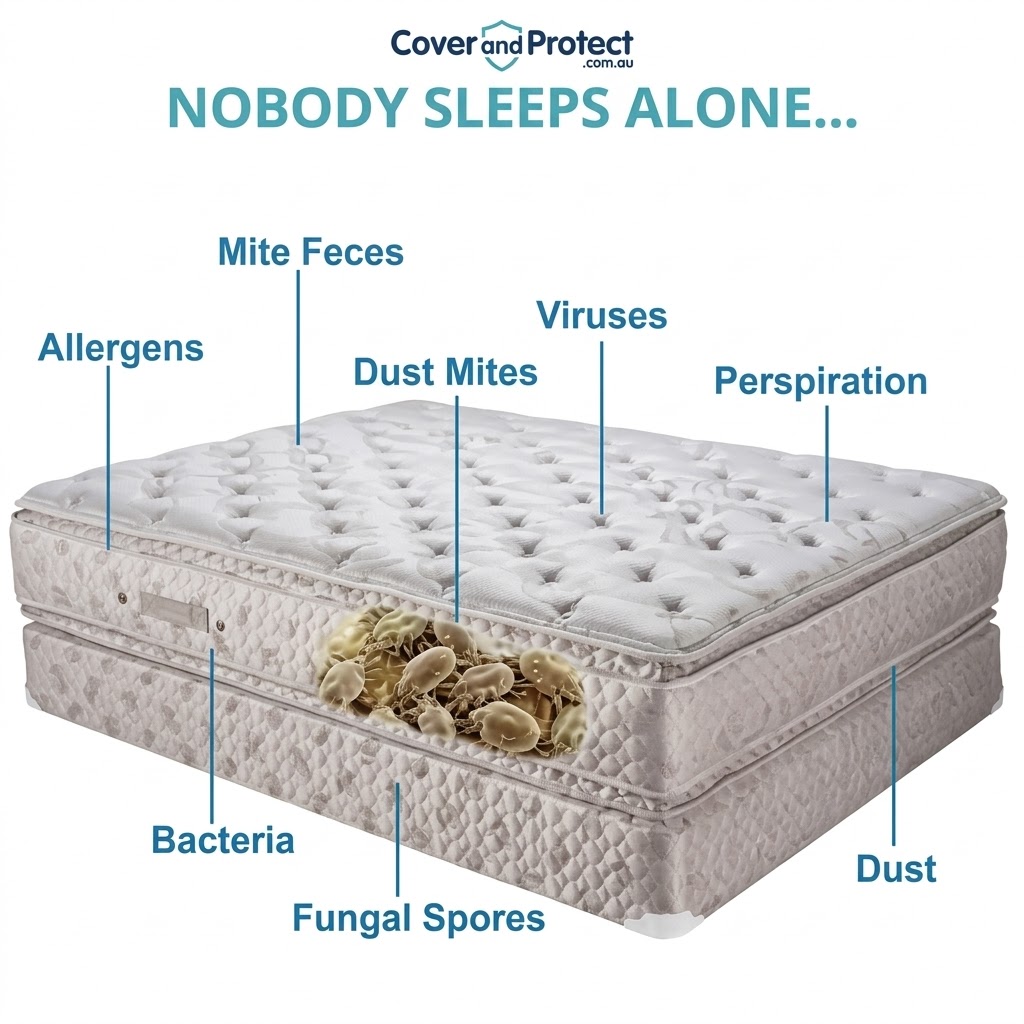
Step 1: Install a 6-Sided Encasement: Start by sealing your mattress in a premium, fully enclosed zipped encasement. This locks existing allergens deep within the bed and cuts off the food supply for any dust mites inside.
Step 2: Protect Your Pillows and Quilts: Add zippered pillow and doona protectors to your bedding. This ensures that every item close to your face while you sleep is completely protected against allergen build-up.
Step 3: Wash Linens Regularly: Wash your top sheets, pillowcases, and removable protectors every one to two weeks in water that is at least 60°C to clear away fresh skin dander and surface dust.
Step 4: Keep the Bedroom Clean: Vacuum your bedroom floors thoroughly every week using a machine equipped with a HEPA filter from our specialized Vacuum Cleaner Collection. This keeps settled dust from being kicked back up into the air.
Choosing the right partner for your bedding protection needs means looking for verified quality, dependable supply, and real industry experience.
Authorised Australian Distributor: We are an official, authorised direct-to-consumer distributor of genuine Protect-A-Bed® products, which are widely recognized for their advanced textile engineering and reliability.
Direct Fulfilment Model: We source our entire range directly through official supply channels, giving our customers confidence that they are receiving authentic, factory-warranted items.
Established in 2007: With nearly two decades of experience serving Australian families, hospitality venues, and commercial facilities, we have developed deep expertise in managing sleep hygiene challenges across the country.
Education-Led Approach: We are dedicated to providing clear, practical information to help our customers make informed decisions about their bedding protection and home health.
Managing dust mites and household allergens does not have to mean relying on continuous chemical treatments or dealing with constantly disrupted sleep. By understanding how these microscopic pests thrive and setting up high-performance, physical barriers, you can successfully reclaim your sleeping space.
Choosing a six-sided encasement prevents dust mite waste from reaching your air, helping you breathe easier and enjoy a cleaner, healthier night’s rest. If you are ready to upgrade your sleep environment, explore our full range of certified solutions at Cover & Protect or reach out to our team via our Contact Us page for personalized advice.
OEKO-TEX Standard 100 Certification
Read more article from Cover and Protect
👉 Upgrade your sleep today with Cover & Protect’s premium bedding protection range.
Do you have questions about our products? We’re here to help! Whether you need guidance on the best protector for your needs or have inquiries about our offerings, our friendly team is happy to assist.
👉 Shop our range today and experience the best in bedding protection!
📞 Call us: 02 931 66654 (Mon-Fri) | 0408 113 089 (7 Days)
📩 Email us: sales@coverandprotect.com.au