Free Shipping For Orders Over $70.00

Best Vacuum Cleaner for Dust Mite Allergies in Australia: Vacumi VC3 Water Filter Review

The Vacumi VC3 Water Filter Bagless Vacuum Cleaner for Allergies, Asthma, and Dust Mites.

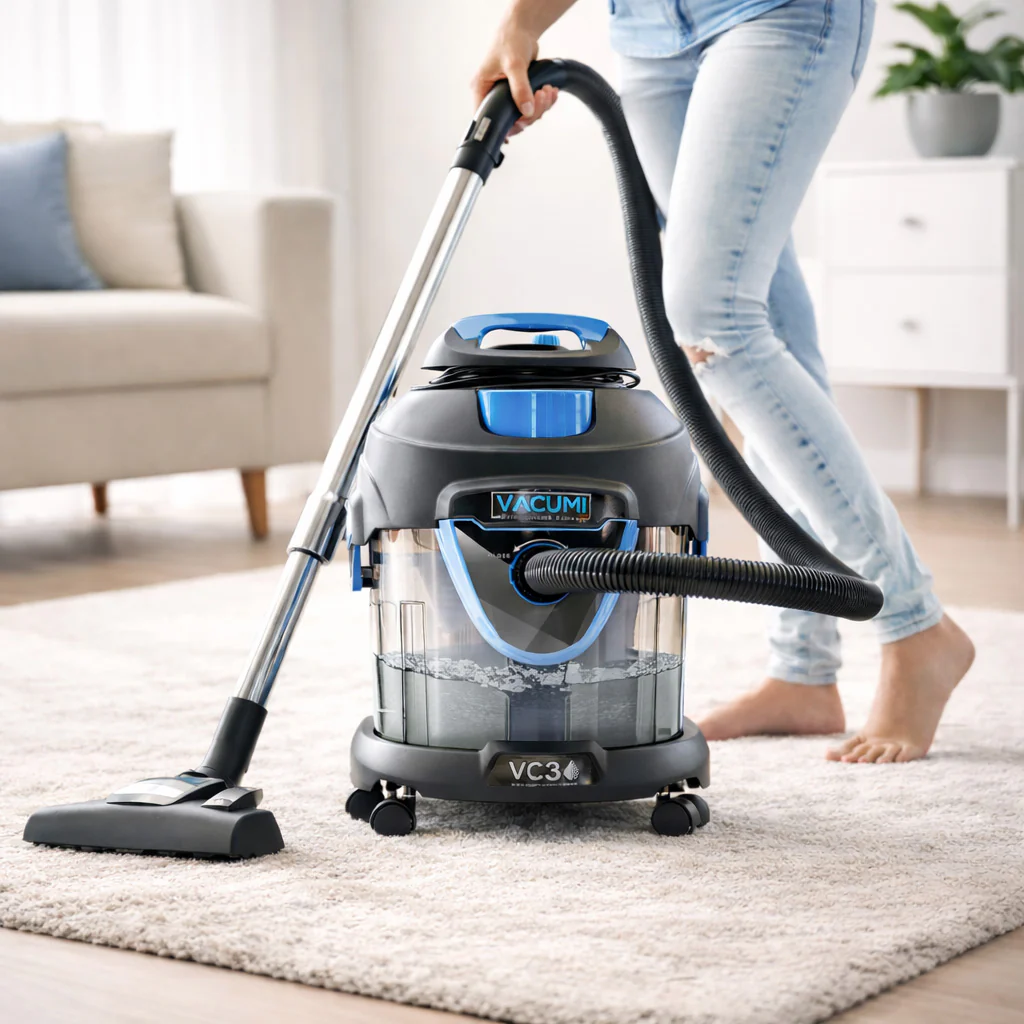
Vacuum Cleaner Vacumi-Vc3-Water Filtration In Use On A Plush Carpet, Available At Cover And Protect Australia.
Experience the deep-cleaning power of the VACUMI VC3 Water Filtration system. The Vacumi VC3 is an excellent vacuum cleaner for dust mite allergies, designed to effectively reduce allergens in your home.


Best Vacuum Cleaner for Dust Mite Allergies in Australia: Vacumi VC3 Water Filter Review

Quick Answer: If you’re managing dust mite allergies or asthma, a water filtration vacuum like the Vacumi VC3 — available directly from Cover & Protect, currently $435 (RRP $499) — can help capture fine dust and allergen particles more effectively than a standard bagged vacuum, without blowing them back into the air. But vacuuming alone won’t solve a dust mite problem — mattresses and pillows are the biggest reservoir of dust mite allergen in most homes, so pairing the VC3 with a certified dust mite mattress and pillow protector gives you the most complete, evidence-based protection.

Watch a video of VACUMI vc3 Vacuum cleaner

Dust mite allergy and asthma symptoms rarely have one single cause, and they rarely have one single fix. If you’ve searched for the best vacuum cleaner for dust mite allergies, you’re probably also dealing with sneezing, itchy eyes, disrupted sleep, or a child with recurring hay fever symptoms — and you want to know what actually helps versus what’s just marketing.

This guide breaks down how water filtration vacuum cleaners like the Vacumi VC3 work, where they genuinely help, where they fall short, and how they fit into a broader allergen-reduction strategy for Australian homes. We’ll also explain why bedding — not carpet — is usually the biggest source of dust mite allergen exposure, and what to do about it.

Cover & Protect has supplied Australian homes, hotels, and healthcare facilities with dust mite and allergen-proof bedding since 2007, working alongside products endorsed by the National Asthma Council’s Sensitive Choice® program. We also stock the Vacumi VC3 directly, currently reduced to $435 (RRP $499). This article draws on our experience fitting allergen-reduction routines for Australian households to give you a realistic, non-hyped picture of where this vacuum sits in the bigger picture — rather than just a sales pitch.

What Is a Water Filtration Vacuum Cleaner?

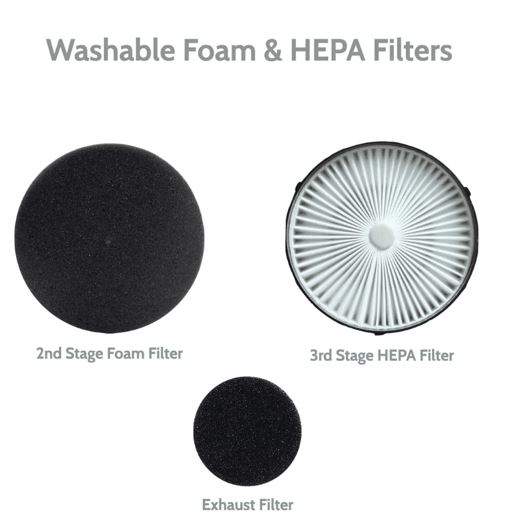
A water filtration vacuum, such as the Vacumi VC3, uses a water-filled chamber as its primary filtration stage instead of (or in addition to) a HEPA filter or dust bag. As air and debris are pulled through the machine, particles are trapped in the water rather than a dry filter or bag.

How the Vacumi VC3 Works

  • 3-stage water filtration — water is the primary filtration stage, with dirt, dust, and fine particles trapped in the tank rather than a dry bag or filter.
    3 Stage Filter System
    3 stage filter system
  • Bagless design — no disposable bags to buy; the tank is emptied and refilled after use
  • Wet and dry function — the same unit can handle liquid spills as well as dry vacuuming.
    Vacumi Wet &Amp; Dry Vacuum
    VACUMI wet & dry vacuum
  • Blower function — can be switched to blow mode for quick drying or clearing debris
  • 1400W motor (manufacturer-stated) — suction output is higher than many standard mid-range domestic vacuums, though exact comparisons depend on how each brand measures suction
  • Adjustable suction — allows lighter suction on soft furnishings and stronger suction on hard floors
  • No replacement HEPA filters required for the primary filtration stage — reduces ongoing running costs compared with machines needing regular filter changes

The core idea is straightforward: dry vacuum bags and some cheaper filters can allow very fine particles to pass back through the exhaust, or release a puff of dust when the bag or canister is emptied. Trapping debris in water is designed to reduce that second issue in particular, since damp dust doesn’t become airborne the way dry dust does when a bin is tipped out.

It’s worth being precise here: a water filter vacuum is a cleaning tool, not a medical device, and no vacuum cleaner — water filtration or otherwise — is clinically proven to treat or cure asthma or allergic rhinitis. What it can do is form part of a sensible house dust mite reduction routine, alongside washable, allergen-proof bedding protection.
Key Benefits of Water Filtration Vacuums

  • Reduced dust re-release during emptying — emptying a water chamber is generally less dusty than shaking out a bag or dry canister filter
  • Captures fine particulate — water filtration is effective at trapping dust, pollen, pet dander, and dust mite debris pulled up from carpets and soft furnishings.
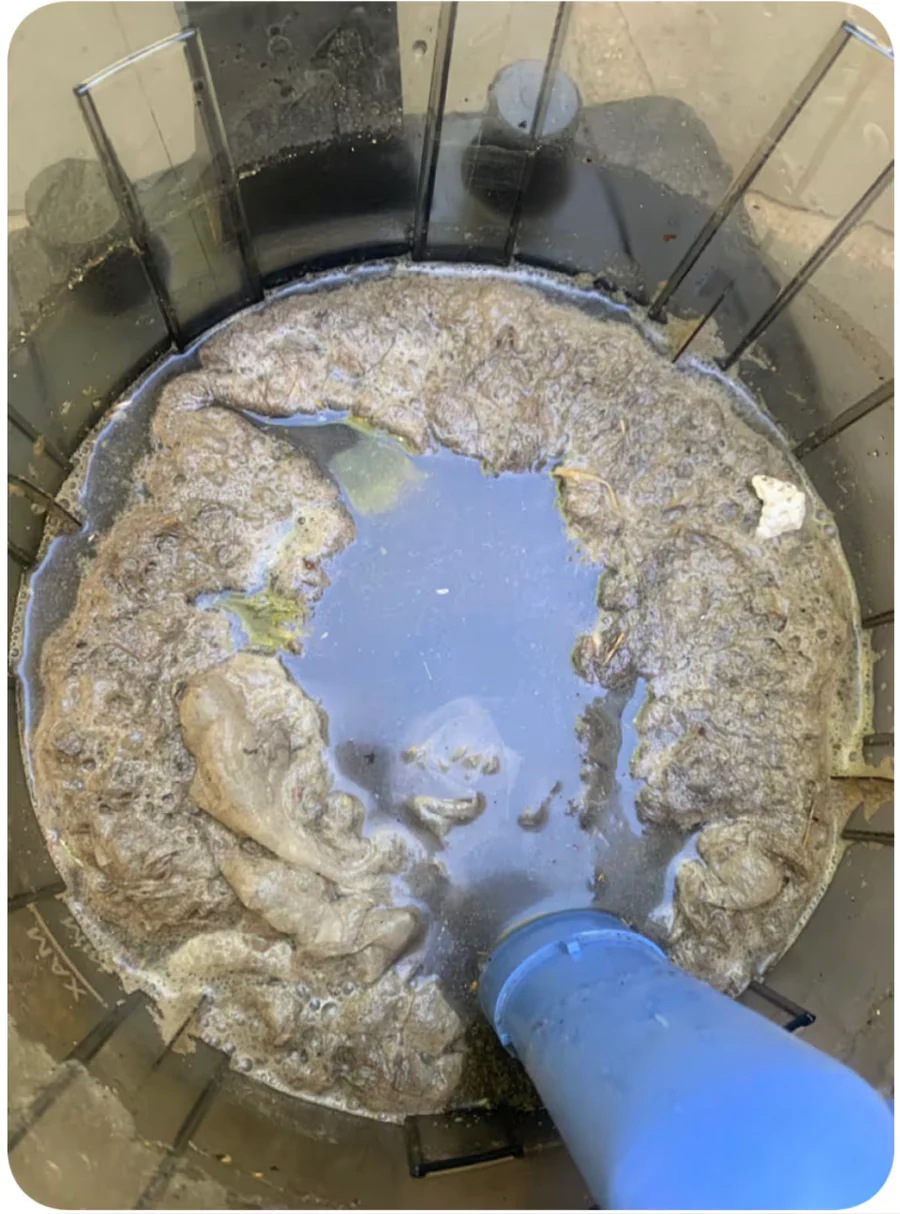
    Vacumi Vc3 Vacuum Cleaner Results
    These are the types of results you can expect after just 5-10 minutes of use in a typical home. This photo looking into the water tank, was sent to us by a customer after only 10 minutes of use. She had just cleaned the same room with a high-end stick vacuum and was shocked by the results from the Vacumi VC3. The proof is in the tank!
  • No filter replacement costs — ongoing running costs are typically lower than machines needing regular HEPA filter changes
  • Bagless convenience — no need to buy or store replacement bags
  • Lightweight manoeuvrability — easier to use frequently, which matters because frequency of vacuuming affects allergen levels more than any single feature

What It Won’t Do

  • It won’t remove dust mites living deep inside a mattress or pillow — standard vacuum suction can’t reach that far into bedding fibres
  • It won’t stop new dust mite populations regrowing in bedding between cleans
  • It isn’t a substitute for hot-washing bedding or using a barrier product

This is why allergy and asthma organisations consistently recommend a combination approach: reduce dust and allergen in the air and on surfaces (vacuuming, damp dusting, ventilation) and physically block dust mite allergen at the source (mattress and pillow encasements), rather than relying on one method alone.

Vacuum Filtration Types Compared

Filtration TypeCaptures Fine Dust?Dust Released When Emptying?Ongoing CostBest For
Water filtration (e.g. Vacumi VC3)HighLowLow (no filters to buy)Allergy-conscious households wanting less dusty emptying
True HEPA baggedHighLow (sealed bag)Medium–High (bags + filters)Households prioritising sealed disposal over reusability
HEPA bagless (cyclonic)Medium–HighMedium (dust cloud on emptying bin)Medium (filter replacement)General household use, less allergy-sensitive
Standard bagged, no HEPALow–MediumLowLow–MediumBudget cleaning, non-allergy households
Robot vacuumLow–MediumVariesLow–MediumMaintenance cleaning between deep cleans

No single vacuum category is universally “best” — the right choice depends on your budget, flooring, and how sensitive you or your family members are to airborne dust during cleaning.

Who Should Buy a Water Filter Vacuum

A water filtration vacuum like the Vacumi VC3 is a sensible fit if you:

  • Currently use an older bagged vacuum with no HEPA filtration
  • Notice sneezing or coughing specifically when emptying your current vacuum
  • Have carpets, rugs, or soft furnishings that trap significant dust
  • Want to avoid the recurring cost of HEPA filter or bag replacements
  • Are building a broader allergen-reduction routine that also includes bedding protection

It’s a lower priority purchase if you already own a well-maintained HEPA vacuum and your main allergy triggers are concentrated in bedding rather than flooring — in which case, upgrading to a zippered dust mite mattress encasement will typically make a bigger difference for sleep-related symptoms.

Where to buy: Cover & Protect stocks the Vacumi VC3 Water Filter Vacuum Cleaner directly, currently reduced from $499 to $435.

Common Mistakes Allergy Sufferers Make

  1. Vacuuming the mattress instead of encasing it. Surface vacuuming only reaches the top layer of a mattress; it can’t remove mites and allergen embedded deeper in the fill and seams. A six-sided mattress encasement creates a physical barrier that vacuuming cannot replicate.
  2. Skipping the pillow. Pillows accumulate sweat, skin cells, and allergen at a similar rate to mattresses but are often overlooked. 
  3. A dedicated protector and encasement closes this gap.
  4. Not washing bedding hot enough. Dust mites are typically reduced most effectively by washing at 60°C or higher; cooler washes may not be as effective.
  5. Assuming any “HEPA” label is equally effective. Filter quality and how well a machine is sealed both matter — a HEPA filter in a poorly sealed housing can still leak dust.
  6. Vacuuming infrequently. A high-spec vacuum used monthly will do less for allergen control than a basic vacuum used weekly, combined with washable protectors.
  7. Ignoring pet dander sources. If pets sleep on the bed or furniture, allergen accumulates faster and combination protection (vacuuming + encasement + regular washing) becomes more important, not less.

FAQs

Does a water filter vacuum remove dust mites completely? No vacuum, regardless of filtration type, can remove all dust mites from a home. Water filtration vacuums can help capture surface dust and allergen debris pulled up during cleaning, but they cannot reach mites living inside mattress or pillow fill. For that, a physical barrier such as a mattress or pillow encasement is generally recommended alongside regular cleaning.

Is the Vacumi VC3 suitable for asthma sufferers? Water filtration is designed to reduce the amount of dust released back into the air during vacuuming and emptying, which some asthma sufferers find helpful. However, individual triggers vary, and anyone with diagnosed asthma should follow guidance from their GP or the National Asthma Council alongside any cleaning routine changes.

How often should I vacuum to reduce dust mite allergens? Weekly vacuuming of carpets, rugs, and upholstered furniture is a commonly recommended baseline, with more frequent vacuuming in high-traffic areas or homes with pets.

Do I still need a mattress protector if I vacuum regularly? Yes. Vacuuming addresses surface dust on floors and furniture; it doesn’t address allergen embedded inside a mattress or pillow, which is where a large share of nightly dust mite exposure comes from. A waterproof, dust-mite-proof mattress protector addresses that gap directly.

What’s the difference between a mattress protector and a mattress encasement? A basic mattress protector typically covers only the top and sides of the mattress. A full encasement zips around all six sides, sealing the mattress completely — this matters more if bed bugs or severe dust mite allergy is a concern, since a protector alone can leave gaps at the base and corners.

Can water filtration vacuums be used on hard floors as well as carpet? Yes — most water filtration models, including the Vacumi VC3, offer adjustable suction settings suited to both hard flooring and carpeted or soft furnishing surfaces.

Where can I buy the Vacumi VC3 in Australia, and how much does it cost? The Vacumi VC3 is available directly from Cover & Protect, currently priced at $435, reduced from the RRP of $499.

Expert Recommendation

Based on how dust mite allergen actually accumulates in Australian homes, our recommendation is:
  1. Use a water filtration or HEPA vacuum weekly on carpets, rugs, and upholstery
  2. Wash all bedding (sheets, pillowcases, doona covers) at 60°C or higher, weekly if possible
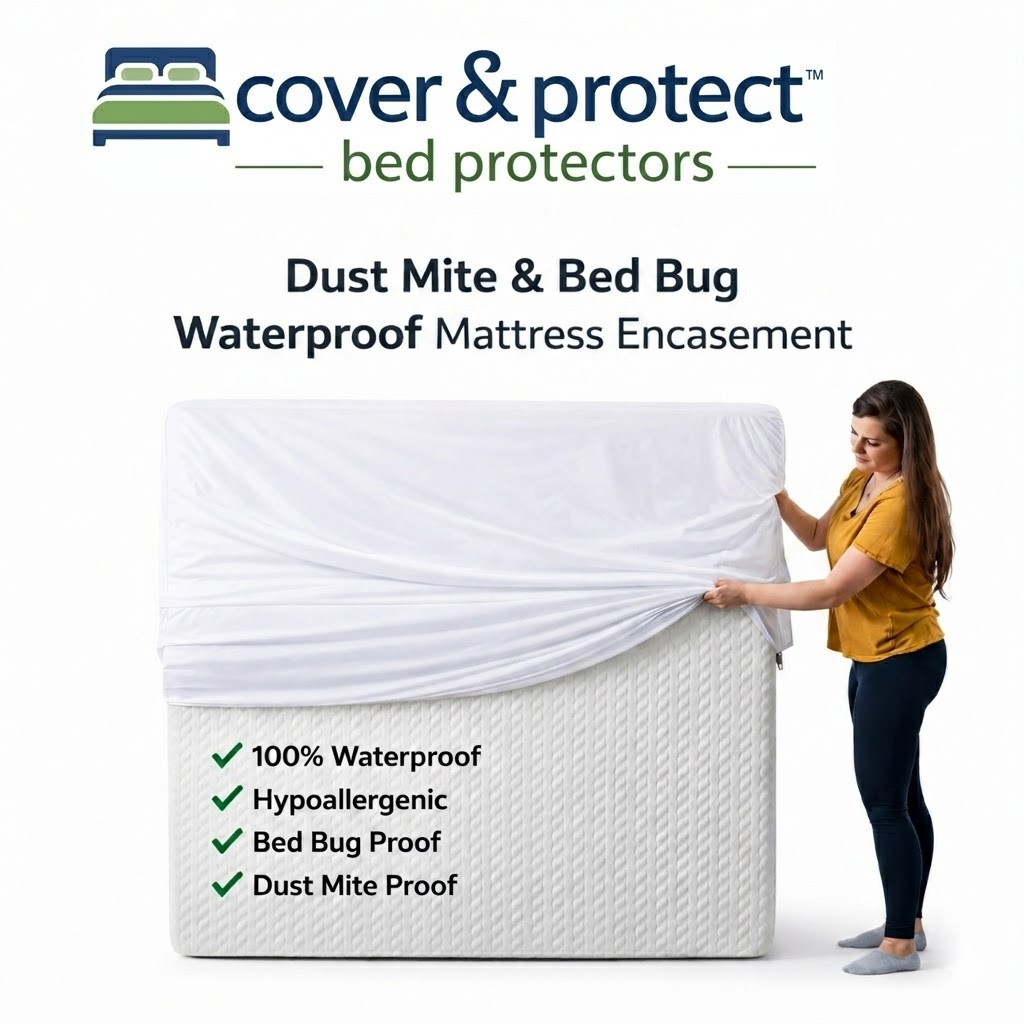
  3. Fit zippered mattresses and pillows with certified, dust-mite-proof encasements — this is the single change that addresses the largest allergen reservoir in most bedrooms.
    A Woman Fitting A Cover &Amp; Protect 100% Waterproof Mattress Encasement, Designed For Total Bed Bug Protection And Dust Mite Control In Australian Homes.
    Protect your bed with our premium, fully sealed waterproof mattress encasement.
  4. Reassess bedroom humidity and ventilation, since dust mites thrive in warm, humid conditions common across much of Australia.

No single product is a complete solution on its own. The combination — regular vacuuming plus physical bedding barriers — reflects the layered approach recommended by allergy and asthma health bodies, rather than relying on any one “miracle” appliance.

Why Trust Cover & Protect

Cover & Protect has specialised in dust mite, allergen, and bed bug bedding protection for Australian homes, hotels, and healthcare providers since 2007. We stock and recommend Protect·A·Bed® products, tested to Australian Standards and recognised through the National Asthma Council’s Sensitive Choice® program, alongside complementary allergen-reduction tools like the Vacumi VC3. Because we sell both the cleaning equipment and the bedding barrier products, we’ve written this guide to be upfront about what each one actually does — rather than positioning either as a standalone fix. Our focus is on realistic, layered allergen management, not overstated claims.

Final Verdict

A water filtration vacuum cleaner like the Vacumi VC3 is a reasonable upgrade for allergy- and asthma-conscious households, particularly if your current vacuum lacks HEPA filtration or creates a visible dust cloud when emptied. It’s a genuinely useful tool for floors, rugs, and upholstery.

But if your main concern is dust mite allergy symptoms affecting your sleep, the higher-impact change is almost always at the mattress and pillow level. Vacuuming manages surface dust; encasement products block the allergen at its main source. Used together, they form a realistic, evidence-informed routine — not a single silver-bullet purchase.

You can shop the Vacumi VC3 Water Filter Vacuum Cleaner directly from Cover & Protect, now $435 (down from $499), and pair it with a dust mite mattress or pillow encasement for the most complete protection.

This article is general information only and is not medical advice. If you have diagnosed asthma, allergies, or eczema, speak with your GP, allergist, or the National Asthma Council Australia about a management plan suited to your situation.

Written & Reviewed by Cover & Protect Bedding & Allergy Specialists

Since 2007, Cover & Protect has provided Australian households, healthcare facilities, and accommodation providers with evidence-based allergen management solutions. Our content is crafted and reviewed in alignment with peak allergy bodies, including National Asthma Council Sensitive Choice® guidelines, to help Australians manage asthma and dust mite allergies effectively.

Learn more about our team and testing standards: 

Contact Us Today

Do you have questions about our products? We’re here to help! Whether you need guidance on the best protector for your needs or have inquiries about our offerings, our friendly team is happy to assist.

👉 Shop our range today and experience the best in bedding protection!

📞 Call us02 931 66654 (Mon-Fri) | 0408 113 089 (7 Days)
📩 Email us: sales@coverandprotect.com.au

Cover & Protect is an authorised direct-to-consumer distributor of genuine Protect-A-Bed® bedding protection products in Australia. Established in 2007, we have supplied Australian households, accommodation providers and commercial venues with trusted, certified bedding protection solutions sourced through official supply channels.

Our range of mattress, pillow and bedding protectors is designed to help safeguard your bedding from bed bugs, dust mites, allergens, spills and everyday stains—while supporting a cleaner, healthier and more hygienic sleep environment.

For those suffering from dust mite allergies, finding the right vacuum cleaner for dust mite allergies can make all the difference in managing symptoms.

Best Vacuum Cleaner for Dust Mite Allergies in Australia: Vacumi VC3 Water Filter Review

The Differences Between Waterproof and Non-Waterproof Mattress Protectors: Which One Is Right for You?

A mattress protector is an essential accessory for preserving the longevity and cleanliness of your mattress. Whether you have just invested in a new mattress or want to extend the life of an existing one, a mattress protector can provide the necessary barrier against dirt, allergens, and spills. However, not all mattress protectors are the same—one of the biggest distinctions comes down to whether they are waterproof or non-waterproof.

In this article, we will explore the key differences between waterproof and non-waterproof mattress protectors, their benefits and drawbacks, and how to choose the right one for your needs.

What Is a Mattress Protector?

A mattress protector is a removable cover designed to safeguard a mattress against various external elements such as dust, dirt, allergens, moisture, and even bed bugs. These protectors act as a shield, keeping the mattress clean and extending its lifespan.

There are two main types of mattress protectors:

1. Protection Against Spills and Stains. 

o Ideal for households with children, pets, or individuals who may experience bedwetting or incontinence.
o Helps prevent permanent staining and potential mold or mildew growth.

• Waterproof Mattress Protectors: Designed to prevent liquid spills, stains, and moisture from reaching the mattress.

• Non-Waterproof Mattress Protectors: Offer protection from dust, allergens, and wear and tear but do not provide a barrier against liquids.

Click link to our mattress protectors website page

Understanding Waterproof Mattress Protectors

What Are Waterproof Mattress Protectors?

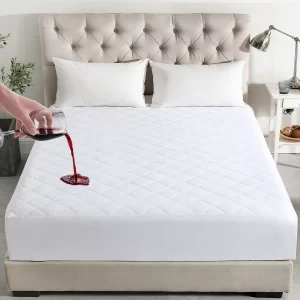
waterproof mattress protector

Waterproof mattress protectors feature a liquid-resistant barrier, usually made from materials such as polyurethane or vinyl, which prevents moisture from penetrating the mattress. These protectors are particularly useful for individuals who want to safeguard their beds against spills, incontinence, bedwetting, and accidental liquid exposure.

Benefits of Waterproof Mattress Protectors

1. Protection Against Spills and Stains
o Ideal for households with children, pets, or individuals who may experience bedwetting or incontinence.
o Helps prevent permanent staining and potential mold or mildew growth.
2. Allergy and Dust Mite Protection
o Acts as a barrier against allergens, dust mites, and bacteria, reducing allergic reactions.
o Some waterproof protectors also come with hypoallergenic properties.
3. Prevention of Mould and Mildew
o Because liquids cannot seep into the mattress, the risk of mold and mildew buildup is significantly reduced.

4. Extended Mattress Lifespan
o Protects the mattress from premature deterioration due to moisture damage.
5. Easy Maintenance
o Most waterproof protectors are machine washable, making them easy to clean and maintain.

Drawbacks of Waterproof Mattress Protectors

1. Potential Heat Retention
o Some waterproof protectors may trap heat, making them uncomfortable for hot sleepers.
o However, newer models use breathable waterproof materials to reduce heat buildup.
2. Noise and Texture
o Some waterproof protectors, particularly those made from vinyl, can produce a crinkling noise when moved.
o Higher-quality waterproof protectors use soft fabrics like cotton with a quiet waterproof backing to eliminate this issue.
3. Cost
o Waterproof protectors tend to be more expensive than non-waterproof options due to their additional protective layer.

Understanding Non-Waterproof Mattress Protectors

What Are Non-Waterproof Mattress Protectors?

Non-waterproof mattress protectors focus on providing a breathable, comfortable barrier between the sleeper and the mattress. These protectors are usually made from cotton, bamboo, or polyester blends and do not include a waterproof lining.

Benefits of Non-Waterproof Mattress Protectors

1. Enhanced Breathability
o Since there is no waterproof barrier, these protectors offer better airflow, helping regulate body temperature and reducing heat buildup.
2. Soft and Comfortable Feel
o Many non-waterproof protectors feel more like a regular bedsheet and add extra comfort without altering the mattress’s natural texture.
3. No Noise Issues
o Without a waterproof layer, these protectors do not produce any crinkling or rustling sounds when moving in bed.
4. Hypoallergenic Options Available
o Many non-waterproof protectors are designed to be hypoallergenic, offering protection against dust mites, pet dander, and other allergens.
5. Affordability  o Generally, non-waterproof protectors are more budget-friendly compared to their waterproof counterparts.

Drawbacks of Non-Waterproof Mattress Protectors
1. Lack of Liquid Protection
o Since these protectors do not block liquid spills, any accidental drink spillage, sweat, or incontinence incidents may seep into the mattress.
2. Limited Protection Against Stains and Odours
o While they help prevent dust accumulation, they cannot prevent liquid stains or odours from developing over time.
3. Shorter Lifespan
o Without moisture resistance, these protectors may wear out faster due to repeated washing and exposure to spills.

Choosing the Right Mattress Protector for You
When deciding between a waterproof and non-waterproof mattress protector, consider the following factors:
Who Should Choose a Waterproof Mattress Protector?
• Parents with young children who may have bedwetting accidents.
• Individuals with incontinence issues or medical conditions requiring bed protection.
• Households with pets that might cause accidental spills.
• People who frequently eat or drink in bed.
• Those who live in humid climates where moisture build-up can lead to mould.

Conclusion

Both waterproof and non-waterproof mattress protectors serve essential roles in keeping your mattress clean and prolonging its lifespan. The best choice depends on your specific needs, lifestyle, and comfort preferences. If liquid protection is a priority, a waterproof mattress protector is the way to go. However, if breathability and comfort are more important, a non-waterproof protector might be the better option.
Regardless of your choice, investing in a mattress protector is always a wise decision to keep your sleeping environment hygienic and comfortable.